


Every June, Alzheimer’s & Brain Awareness Month serves as an important reminder that brain health deserves attention at every stage of life. While many people associate Alzheimer’s disease with aging and memory loss, emerging research suggests that the health of our brains is influenced by many factors long before symptoms appear.
At Southern Integrative and Environmental Medical (S.I.E.M.), we believe that true wellness requires a comprehensive approach that considers the interconnected systems within the body. Increasingly, researchers are discovering that metabolic health may play a significant role in supporting cognitive function, healthy aging, and overall brain wellness.
Understanding this connection empowers individuals to take proactive steps toward protecting their cognitive health and quality of life.
How do we support Alzheimer’s, Dementia and Cognitive Decline – S.I.E.M.
Alzheimer’s disease is the most common form of dementia, a condition characterized by progressive changes in memory, thinking, and behavior.
Symptoms may include:
According to the Alzheimer’s Association, millions of Americans are currently living with Alzheimer’s disease, and that number is expected to increase significantly as the population ages.
While age remains the strongest known risk factor, scientists continue to explore the many biological processes that contribute to cognitive decline.
For many years, Alzheimer’s disease was viewed primarily as a condition affecting the brain alone. However, modern research increasingly demonstrates that brain health is influenced by multiple systems throughout the body.
Factors that may affect cognitive health include:
This broader understanding highlights the importance of maintaining overall metabolic health as part of a comprehensive wellness strategy.
If you or someone you love is experiencing brain fog, memory concerns, or early cognitive changes, a metabolic root cause may be part of the picture. Our integrative approach looks at blood sugar, inflammation, gut health, hormones, and more.
Ready to talk? Request Your Discovery Call → Atlanta: (404) 236-6234 | Austin: (512) 883-1700
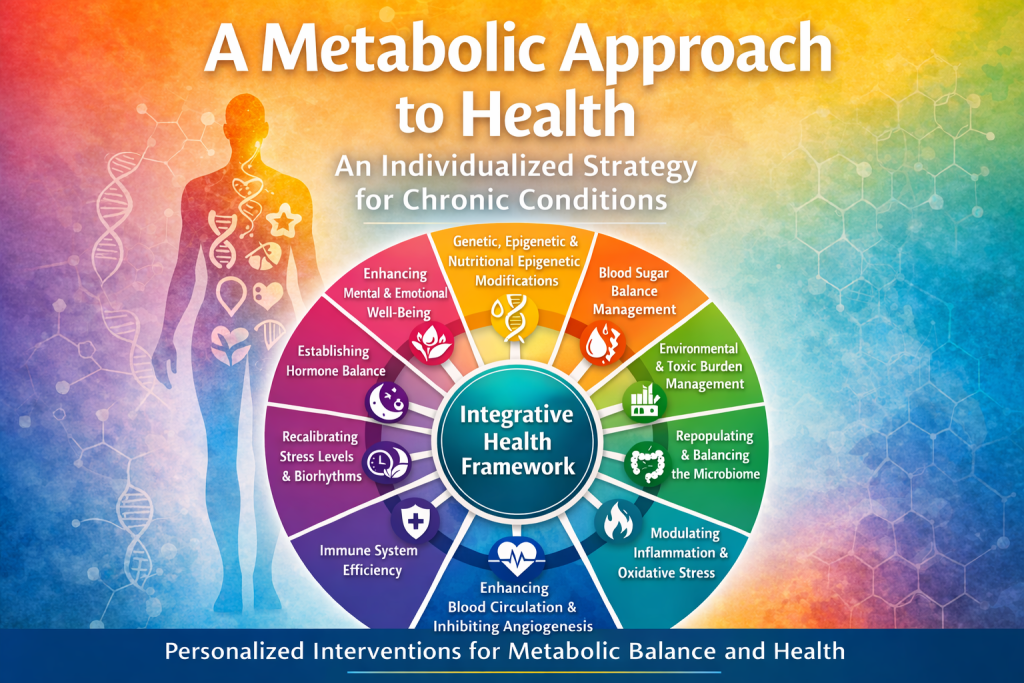
Many people think metabolism only refers to how quickly the body burns calories. In reality, metabolic health encompasses a wide range of processes that help the body function properly.
Metabolic health involves the body’s ability to:
At S.I.E.M., metabolic health is viewed as the foundation of long-term wellness because it influences virtually every organ system in the body, including the brain.
Our metabolic health model focuses on multiple interconnected pillars, including blood sugar balance, microbiome health, inflammation management, circulation, immune function, hormone health, stress resilience, nutrition, environmental influences, and mental wellness.
Researchers continue to uncover important relationships between metabolic health and cognitive performance.
Several factors associated with metabolic dysfunction have been linked to changes in brain health, including:
These factors may influence how effectively the brain receives nutrients, utilizes energy, and maintains healthy cellular communication.
While no single factor causes Alzheimer’s disease, supporting metabolic health may help create an environment that supports long-term cognitive wellness.
One of the most studied areas of brain health research involves blood sugar regulation.
The brain is one of the body’s most energy-demanding organs. It relies heavily on a consistent supply of glucose to function efficiently.
When blood sugar becomes unstable or insulin resistance develops, brain cells may have difficulty utilizing energy effectively.
Potential symptoms associated with poor glucose regulation may include:
This growing area of research has led some scientists to describe Alzheimer’s disease as having similarities to metabolic disorders, highlighting the importance of supporting healthy glucose metabolism throughout life.
Inflammation plays a vital role in healing and protecting the body from infection. However, when inflammation becomes chronic, it may contribute to health concerns throughout multiple body systems.
Researchers continue to investigate how chronic inflammation may influence:
Many lifestyle factors may contribute to ongoing inflammation, including poor nutrition, chronic stress, inadequate sleep, sedentary behavior, and environmental exposures.
At S.I.E.M., addressing inflammation is an important component of supporting both metabolic and neurological wellness.
The digestive system and the brain are connected through a sophisticated communication network often referred to as the gut-brain axis.
The trillions of microorganisms that reside within the digestive tract help influence:
Emerging research suggests that disruptions in the gut microbiome may affect both mental and cognitive health.
This is why gut health remains one of the foundational pillars of metabolic health at S.I.E.M.
Supporting a healthy microbiome may benefit not only digestive wellness but also overall brain function.
Support Your Gut-Brain Connection The health of your gut directly influences your brain. If you’re looking to take a proactive step, the Advanced Gut & Digestive Health Bundle provides a complete 28-day protocol designed by our integrative team to support microbiome balance, gut repair, and detoxification.
Shop the Advanced Gut Bundle →
Not sure if it’s right for you? Request a Discovery Call by calling one of our office and we’ll help you build the right protocol for your health history.
Sleep is essential for cognitive performance and healthy aging.
During sleep, the brain performs several critical functions, including:
Poor sleep has been associated with:
Many individuals experiencing brain fog or cognitive concerns may benefit significantly from improving sleep quality and consistency.
The brain depends on healthy circulation to receive oxygen and nutrients.
Factors that support cardiovascular health often support brain health as well, including:
Research consistently demonstrates that maintaining cardiovascular wellness may help support cognitive function as we age.
At S.I.E.M., circulation and oxygenation are recognized as important components of overall metabolic health.
Stress is an unavoidable part of life, but chronic stress can significantly affect physical and mental health.
Long-term stress may influence:
Supporting healthy stress management practices may benefit both metabolic and cognitive wellness.
Helpful strategies may include:
While there is no guaranteed way to prevent Alzheimer’s disease, there are many evidence-based habits that support overall brain wellness.
Focus on:
Regular exercise supports:
Consistent, restorative sleep remains one of the most powerful ways to support brain health.
A diverse diet rich in fiber and whole foods may help maintain a healthy microbiome.
Healthy stress management practices support both metabolic balance and cognitive resilience.
Learning new skills, reading, volunteering, socializing, and engaging in meaningful activities can help keep the brain active throughout life.
At Southern Integrative and Environmental Medical, we believe that symptoms often represent only part of the story.
Our integrative approach evaluates multiple systems that influence health, including:
By identifying root causes and developing personalized strategies, we help patients pursue long-term wellness and optimal quality of life.
Alzheimer’s & Brain Awareness Month reminds us that protecting cognitive health starts long before symptoms appear.
Whether you are concerned about memory, experiencing brain fog, struggling with fatigue, or simply looking to optimize your long-term health, supporting metabolic wellness may be one of the most important investments you can make.
The choices you make today regarding nutrition, sleep, exercise, stress management, and overall metabolic health can influence your brain health for years to come.
By taking a proactive, whole-body approach to wellness, you can help support both your physical health and cognitive vitality throughout every stage of life.
If you or someone you love is experiencing brain fog, memory concerns, or early cognitive changes, a metabolic root cause may be part of the picture. Our integrative approach looks at blood sugar, inflammation, gut health, hormones, and more.
Ready to talk? Request Your Discovery Call → Atlanta: (404) 236-6234 | Austin: (512) 883-1700
Alzheimer’s disease is a progressive neurological disorder that affects memory, thinking, behavior, and daily functioning. It is the most common form of dementia.
Early symptoms may include memory loss, confusion, difficulty completing familiar tasks, trouble finding words, poor judgment, and changes in mood or personality.
No. While some changes in memory may occur with age, Alzheimer’s disease is not a normal part of the aging process.
Metabolic health influences blood sugar regulation, inflammation, circulation, hormone balance, and cellular energy production, all of which play important roles in supporting cognitive function.
Yes. Blood sugar imbalances and insulin resistance may contribute to brain fog, difficulty concentrating, mental fatigue, and memory challenges.
The gut-brain connection refers to the ongoing communication between the digestive system and the brain through neural, immune, and hormonal pathways.
Regular physical activity supports circulation, blood sugar regulation, cardiovascular health, stress management, and cognitive function.
Sleep supports memory consolidation, brain repair, hormone regulation, and waste removal processes that are important for long-term brain wellness.
Healthy lifestyle habits that support metabolic health may also support cognitive performance, healthy aging, and overall brain wellness.
S.I.E.M. uses a personalized, integrative approach that evaluates metabolic health, inflammation, gut health, hormones, nutrition, stress physiology, and environmental influences to support long-term wellness.
You should consult a healthcare professional if memory loss, confusion, or cognitive symptoms begin interfering with daily activities or become progressively worse.
To learn more about S.I.E.M.’s comprehensive approach to metabolic wellness, visit: