

You wake up after a full night of sleep and still feel like you have not rested. Your mind reaches for a thought and finds fog instead. Your muscles ache for no clear reason, and by mid-afternoon your body is asking you to stop — even though you have barely started. These are not signs of laziness or aging. They are often signals that something has gone wrong deep inside your cells.
At SIE Medical, we believe your health is a continuum, our integrative and naturopathic physicians see this pattern frequently in patients with chronic fatigue syndrome, fibromyalgia, post-viral illness, metabolic disorders, and other complex conditions. Whether you visit us in person at our Atlanta, Georgia or Austin, Texas offices — or connect with our team through a telehealth appointment — we use a root-cause, systems-based approach to identify what is disrupting your cellular energy and what it will take to restore it. More and more research points to a common thread running through many of these diagnoses: impaired mitochondria.
SIE Medical · Atlanta · Austin · Telehealth
When rest is not enough
If fatigue does not improve with rest, or standard labs felt incomplete, you are welcome to request a short Discovery Call with one of our integrative health advisors. We can talk about whether a mitochondrial, systems-based evaluation fits your situation. There is no obligation.
Prefer to speak with someone directly?
Atlanta
(404) 236-6234
·
Austin
(512) 883-1700
Monday–Friday, 9:30 AM–5:00 PM · About 15-20 minutes
More Than Energy: What Mitochondria Actually Do
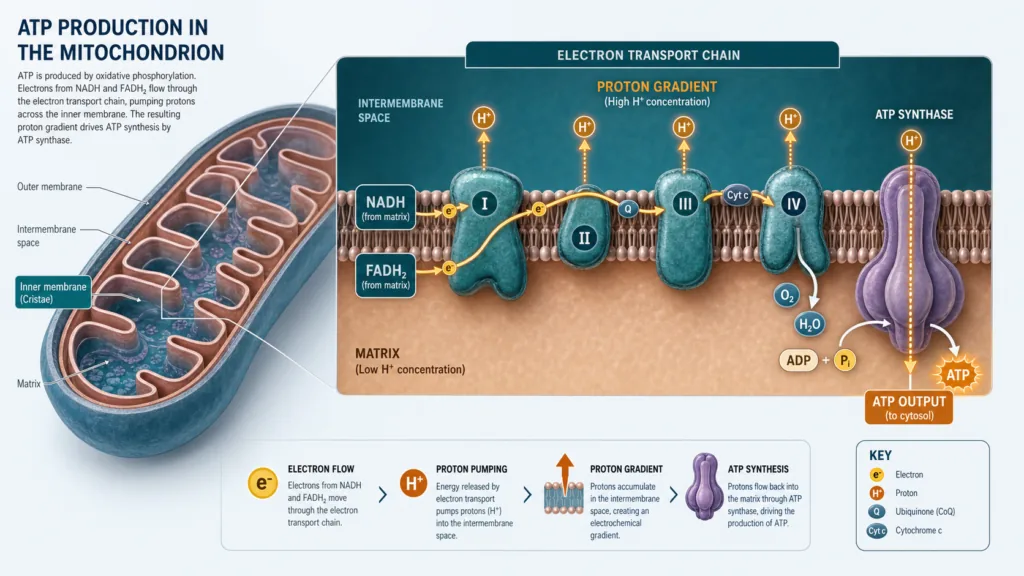 Most people learn in school that mitochondria make energy. That is true, but it is only part of the picture. These organelles produce adenosine triphosphate (ATP), the molecule your cells use as fuel — but they also regulate calcium balance inside cells, coordinate programmed cell death (apoptosis), produce and respond to hormones, and help manage immune system activity.
When mitochondrial function declines, the effects ripple outward across multiple body systems. Research has linked mitochondrial dysfunction to myalgic encephalomyelitis/chronic fatigue syndrome (ME/CFS), fibromyalgia, type 2 diabetes, neurodegenerative diseases like Alzheimer’s and Parkinson’s, and post-viral syndromes including long COVID. In each of these conditions, cells are struggling to produce enough energy to keep up with demand — and the downstream consequences are widespread.
Inflammation, hormonal dysregulation, immune dysfunction, and oxidative stress all both cause and result from mitochondrial impairment. That bidirectional relationship is exactly why treating only one symptom rarely resolves the underlying problem — and why an integrative, whole-person approach is so effective for patients who have not found answers elsewhere.
At SIE Medical, we use a ten-pillar systems-based model to assess and support metabolic health. Rather than targeting a single symptom or organ, this framework evaluates the full network of factors that either nourish or erode mitochondrial function over time.
Each pillar is connected to the others. A problem in one area — say, chronic gut inflammation — will eventually stress the mitochondria through increased oxidative load and nutrient depletion. Addressing health comprehensively, rather than piecemeal, is the foundation of our integrative medicine approach. This framework guides care in both our Atlanta and Austin clinics, and it shapes every telehealth consultation as well.
Still reading? You’re in the right place.
Ready to find out what’s draining your energy?
Tired of being told your labs are normal? A short Discovery Call with our integrative physicians can help you see whether a mitochondrial, systems-based evaluation makes sense. No obligation.
Atlanta
(404) 236-6234
|
Austin
(512) 883-1700
Atlanta · Austin · Telehealth · Mon–Fri 9:30 AM–5:00 PM

Every time blood sugar spikes sharply and then crashes, your mitochondria are put under stress. Glucose is a primary fuel source, and when its supply is erratic, ATP production becomes inefficient and oxidative byproducts accumulate. Over time, insulin resistance — a condition in which cells stop responding well to insulin — starves mitochondria of the steady fuel supply they need to work properly.
Stabilizing blood sugar through whole-food nutrition, appropriate meal timing, and reducing refined carbohydrates is one of the most direct interventions for supporting mitochondrial health. Consistent blood sugar also protects the brain, where mitochondrial demand is highest.
The gut microbiome produces short-chain fatty acids and B vitamins that mitochondria rely on directly. When the microbiome is disrupted — through poor diet, antibiotic overuse, or chronic stress — the lining of the gut can become more permeable, allowing bacterial fragments to enter the bloodstream and trigger systemic inflammation.
That inflammation generates reactive oxygen species (free radicals) that damage mitochondrial membranes and DNA. Healing the gut through dietary fiber, fermented foods, targeted probiotics, and identifying any underlying infections or dysbiosis is an essential part of restoring cellular energy in patients with chronic illness.
Heavy metals such as mercury and lead, persistent organic pollutants, mold toxins (mycotoxins), and even certain medications can directly impair the enzymes mitochondria use to produce ATP. The mitochondrial membrane is particularly vulnerable to lipid-soluble toxins, which accumulate in fatty tissues and interrupt the electron transport chain — the series of reactions that generates most of the cell’s energy.
Supporting the body’s natural detoxification pathways through nutrients like glutathione, N-acetyl cysteine (NAC), and lipoic acid, along with identifying and reducing ongoing exposures, is critical for patients whose symptoms include chemical sensitivity, cognitive impairment, or fatigue that does not respond to conventional treatment.
Mitochondria require a continuous supply of oxygen to complete the process of energy production. Poor circulation — whether from cardiovascular dysfunction, autonomic nervous system dysregulation (common in post-viral patients), or anemia — directly limits how much oxygen reaches the mitochondria in muscles, the brain, and other tissues.
Immune dysregulation adds another layer. Chronic low-grade immune activation keeps inflammatory cytokines elevated, and those cytokines suppress mitochondrial biogenesis — the process by which cells create new mitochondria. Improving circulation through targeted exercise, cardiovascular support, and balancing immune function are therefore directly mitochondria-protective strategies.
Thyroid hormones regulate the rate at which mitochondria produce ATP. An underactive thyroid — even subclinically — slows mitochondrial metabolism throughout the body, contributing to fatigue, weight gain, brain fog, and cold intolerance. Cortisol, the primary stress hormone, affects mitochondrial gene expression; chronically elevated cortisol shifts cells into a state of energy conservation that compromises long-term function.
Sex hormones also matter. Estrogen supports mitochondrial biogenesis and antioxidant defenses, which helps explain why some women experience significant energy declines during perimenopause. Testosterone plays a similar protective role in both men and women. Assessing and appropriately supporting hormonal balance is a meaningful part of any serious mitochondrial health protocol.
Your mitochondria operate on a circadian clock. They perform repair and recycling processes — including a form of cellular housekeeping called mitophagy, in which damaged mitochondria are cleared away — primarily during sleep and low-activity periods. Disrupted sleep and chronic stress interfere with this process directly.
When the circadian rhythm is misaligned — through shift work, late-night light exposure, or chronic insomnia — mitochondrial quality declines over time. The result is an accumulating burden of dysfunctional mitochondria that cannot produce energy efficiently, even when other factors are addressed.
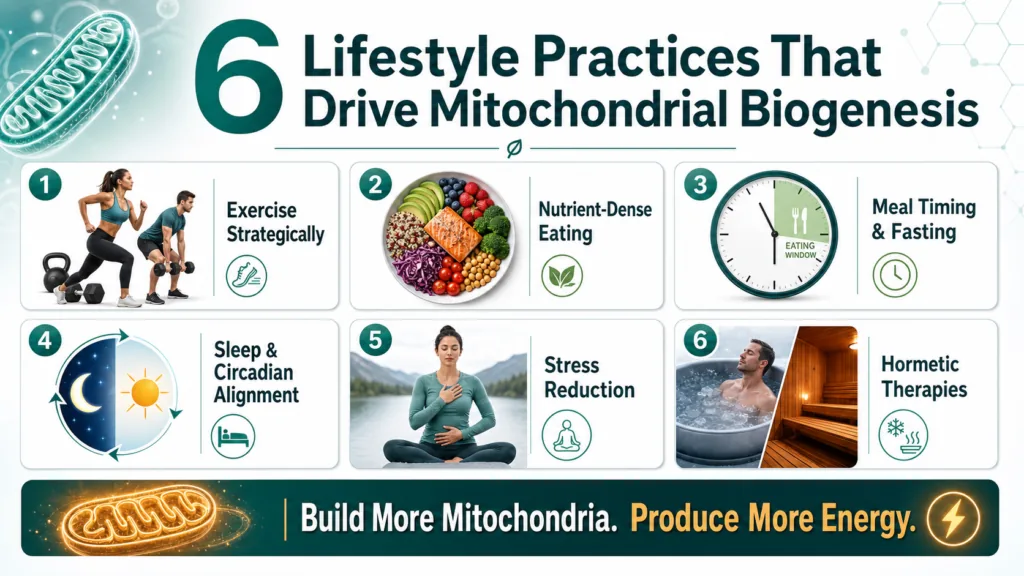
Mitochondrial biogenesis is the process of making new, healthy mitochondria. It is not fixed at birth — it responds to the signals your body receives from how you live. The following six practices have strong scientific support for promoting it.
Exercise strategically. Aerobic exercise, resistance training, and high-intensity interval training (HIIT) each stimulate mitochondrial biogenesis through different pathways. For patients with post-viral illness, ME/CFS, or significant fatigue, exercise must be carefully individualized. Pacing is essential — pushing past an energy threshold can cause post-exertional malaise and set recovery back. A graded, supervised approach is far safer and more effective than a generic “exercise more” prescription.
Eat a nutrient-dense diet. Mitochondria depend on specific micronutrients to function: B vitamins (especially B1, B2, B3, and B5) as enzyme cofactors, magnesium as a required mineral for hundreds of mitochondrial reactions, CoQ10 (coenzyme Q10) as a key electron carrier, and omega-3 fatty acids to maintain healthy mitochondrial membrane structure. Polyphenols found in colorful vegetables, berries, and green tea activate cellular pathways that protect and regenerate mitochondria.
Practice strategic meal timing and judicious fasting. Confining eating to a consistent 10–12 hour window each day gives mitochondria periods of lower metabolic demand during which they can perform maintenance. Extended fasting activates autophagy and mitophagy, clearing damaged cellular components. Caution is warranted, however, for patients with adrenal dysfunction, significant hormonal imbalance, or active illness — prolonged fasting can deepen fatigue in those who are already metabolically depleted.
Prioritize sleep and circadian alignment. Seven to nine hours of quality sleep is not optional for mitochondrial health — it is when repair happens. Practical steps include getting outdoor light exposure within an hour of waking, keeping a consistent sleep and wake time, and reducing blue-light exposure from screens in the two hours before bed. These habits reinforce the circadian signals that cue mitochondrial maintenance cycles.
Reduce chronic stress through active recovery. Chronic psychological stress sustains high cortisol and pro-inflammatory signaling that suppresses mitochondrial function. Mindfulness practice, diaphragmatic breathwork, and structured recovery periods between activity bouts all help lower the baseline stress burden on cells. Recovery is not passive — it requires intentional practice, especially for high-achieving patients who have normalized a chronically activated stress response.
Consider hormetic therapies when appropriate. Controlled cold exposure (cold showers, cold water immersion) and regular sauna use create mild, transient cellular stress that — in healthy individuals — activates mitochondrial biogenesis and antioxidant defenses. These approaches are supported by a growing body of research. They are not appropriate for patients who are hemodynamically unstable, acutely ill, or in a severe post-exertional crash, and they should always be introduced gradually and under clinical guidance.
Nutritional and botanical supplements can provide meaningful mitochondrial support, particularly when chosen based on individual assessment rather than a generic protocol.
CoQ10 (as ubiquinol, the more bioavailable form) is essential for ATP production and has the most robust evidence base for mitochondrial support. Alpha-lipoic acid is a potent mitochondrial antioxidant that also supports blood sugar regulation. Acetyl-L-carnitine facilitates the transport of fatty acids into mitochondria for fuel, and it crosses the blood-brain barrier, making it useful for cognitive fatigue. NAD+ precursors — nicotinamide mononucleotide (NMN) and nicotinamide riboside (NR) — support the NAD+/NADH ratio that mitochondria require to function, and NAD+ levels naturally decline with age and chronic illness.
Magnesium glycinate or malate supports hundreds of enzyme reactions, many of them mitochondrial. B-complex vitamins, particularly in active (methylated) forms, provide essential cofactors. Glutathione and its precursor NAC protect mitochondria against oxidative damage. Omega-3 fatty acids (EPA and DHA) maintain the structural integrity of mitochondrial membranes.
For patients with significant depletion or absorption challenges, intravenous antioxidants (including high-dose vitamin C and glutathione), lipid replacement therapy, and oxygen-supportive modalities — including medical ozone approaches used appropriately — can provide deeper restoration. These therapies are most effective when embedded within the broader ten-pillar metabolic health framework, rather than used in isolation.
For patients looking for a practitioner-guided supplement designed specifically around mitochondrial function, SIE Medical offers Mito Support (without Copper and Iron) through our Hummingbird Nutraceuticals™ line. This formula is designed to support mitochondrial function, cellular energy production, antioxidant balance, and daily nutritional repletion — without relying on stimulant-based ingredients to mask fatigue.
Mito Support combines several of the key nutrients discussed throughout this article:
This formula is intended for use under practitioner guidance as part of an individualized care plan. It is not a replacement for the lifestyle and clinical work described in this article — it is designed to complement it. As with all supplements, use only as directed by your clinician and review all ingredients before starting, particularly if you are pregnant, nursing, taking medication, or managing a medical condition.
These statements have not been evaluated by the Food and Drug Administration. This product is not intended to diagnose, treat, cure, or prevent any disease.
Whether you live in the Atlanta metro area, the Austin region, or anywhere across the country, SIE Medical’s integrative physicians are available to support your mitochondrial health journey.
Atlanta, Georgia — Our Atlanta clinic serves patients throughout metro Atlanta and North Georgia seeking integrative and naturopathic care for chronic fatigue, metabolic dysfunction, post-viral illness, and complex chronic conditions.
Austin, Texas — Our Austin clinic serves patients across Central Texas looking for a root-cause, systems-based alternative to conventional chronic illness care.
Telehealth — SIE Medical offers telehealth consultations for patients who cannot travel or who prefer the flexibility of remote care. Our telehealth visits follow the same comprehensive, individualized approach as in-person appointments, including detailed history review, functional medicine assessment, and personalized treatment planning.
No matter how you connect with us, the goal is the same: to identify what is taxing your mitochondria, remove those burdens systematically, and give your cells the support they need to produce energy and heal.
Who this approach is for
This page is for people who are tired of short visits and quick fixes, and who sense there is a deeper reason their body feels drained or stuck. It’s especially for you if you’ve already tried conventional care, been told “everything looks normal,” and still struggle with fatigue, pain, brain fog, or complex chronic illness. You’re curious about root‑cause, integrative medicine and you’re willing to invest time, effort, and out‑of‑pocket resources to truly understand and improve your health
Why do patients trust S.I.E. Medical?
Integrative, whole-body approach for complex chronic illness.
In-person care in Austin and Atlanta, plus telehealth options when appropriate.
Clear next steps, transparent cash-pay model, and personalized treatment planning
What is mitochondrial health and why does it matter?
Mitochondrial health refers to how well the mitochondria in your cells produce energy (ATP), manage oxidative stress, and support essential functions like hormone signaling, immune regulation, and cellular repair. When mitochondrial function declines, it can contribute to fatigue, brain fog, pain, poor recovery, and a wide range of chronic conditions. Protecting mitochondrial health is one of the most effective ways to improve how you feel and function long-term.
What are the most common signs of mitochondrial dysfunction?
The most common symptoms include persistent fatigue that does not improve with rest, brain fog or difficulty concentrating, muscle weakness or pain, poor exercise tolerance, slow recovery after physical or mental exertion, disrupted sleep, and heightened sensitivity to stress or illness. These symptoms often appear together and are frequently seen in conditions like ME/CFS, fibromyalgia, long COVID, and metabolic disorders.
Can mitochondrial dysfunction be reversed?
In many cases, yes — particularly when dysfunction is driven by lifestyle factors, nutrient deficiencies, toxin exposure, hormone imbalances, or chronic inflammation rather than a primary genetic mitochondrial disease. Integrative medicine approaches that address the root causes across multiple body systems have helped many patients significantly improve their cellular energy, symptoms, and quality of life.
What does an integrative physician do differently to support mitochondrial health?
An integrative physician looks beyond a single diagnosis or lab value to evaluate the full metabolic terrain — blood sugar, gut health, toxin load, hormones, circulation, immune function, sleep, and stress physiology. Rather than prescribing a generic supplement, they use functional testing and detailed history to identify which specific factors are taxing your mitochondria and design a layered, individualized plan to address them.
Does SIE Medical offer mitochondrial health support via telehealth?
Yes. SIE Medical provides comprehensive telehealth consultations for patients throughout the United States. Our telehealth appointments follow the same root-cause, systems-based process as in-person visits and can include functional lab review, supplement guidance, nutrition and lifestyle planning, and ongoing care coordination.
What is mitochondrial biogenesis and how do I stimulate it?
Mitochondrial biogenesis is the process by which your body creates new, healthy mitochondria. It is stimulated by regular exercise (especially aerobic and interval training), nutrient-dense eating, adequate sleep, time-restricted eating, and stress reduction. In patients with chronic illness, these interventions need to be paced carefully to avoid post-exertional worsening. SIE Medical’s physicians individualize these strategies based on your current energy capacity and stage of recovery.
What supplements support mitochondrial function?
Key evidence-informed supplements include CoQ10 (ubiquinol), alpha-lipoic acid, acetyl-L-carnitine, NAD+ precursors (NMN or NR), magnesium, B-complex vitamins (especially in methylated forms), glutathione or NAC, and omega-3 fatty acids. SIE Medical’s Hummingbird Nutraceuticals™ Mito Support formula combines several of these nutrients in a practitioner-formulated blend. Supplementation is most effective when selected based on individual assessment and used within a broader care plan.
Where are SIE Medical’s offices located?
SIE Medical has integrative medicine clinics in Atlanta, Georgia and Austin, Texas. We also offer telehealth appointments for patients across the United States who prefer remote consultations or cannot travel to one of our physical locations.