

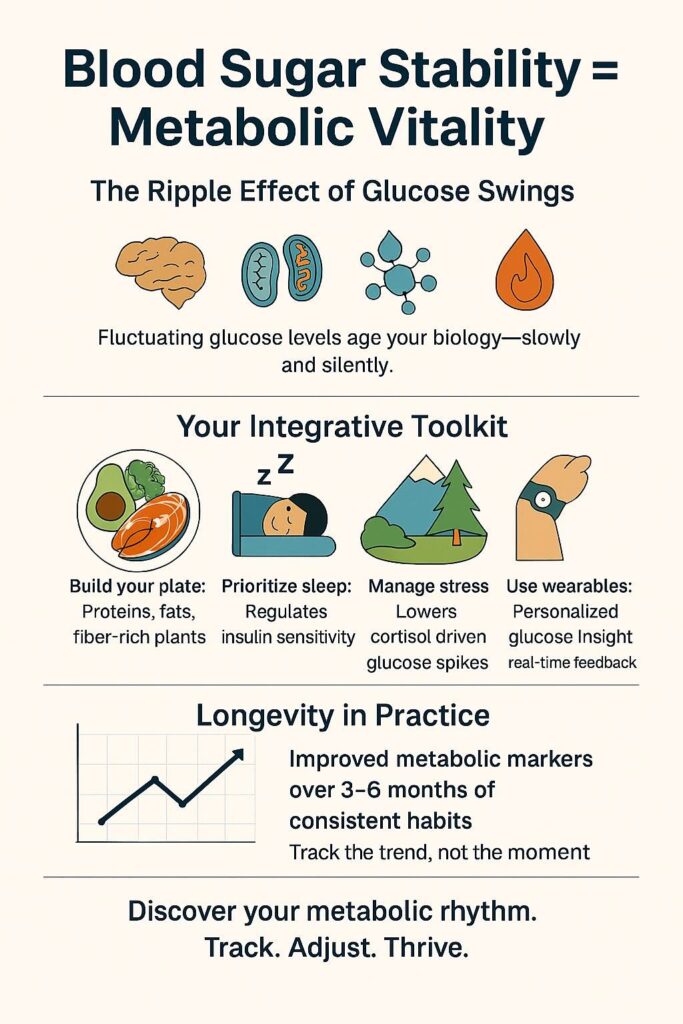
Feeling tired, shaky, foggy, or hungry soon after meals can happen when blood sugar regulation, meal composition, stress hormones, sleep, or digestive patterns are affecting energy stability. It does not automatically mean diabetes, but recurrent post-meal crashes are worth discussing with a clinician.
SIE Medical’s metabolic health page describes blood sugar balance as the way the body regulates glucose for energy, metabolism, and cellular function. It also lists energy crashes after meals, sugar or carbohydrate cravings, difficulty losing or maintaining weight, brain fog, and irritability as common signs of imbalance (SIE Medical).
Patients may describe:
Sleepiness or heavy fatigue 30 minutes to 3 hours after eating
Shakiness, sweating, or anxious feelings
Brain fog or difficulty focusing
Strong cravings for sugar, caffeine, or refined carbohydrates
Hunger soon after a meal
Irritability or mood dips
Headaches or low motivation
These symptoms can have several causes. A clinician may consider meal composition, blood sugar trends, medication effects, sleep debt, stress physiology, digestive issues, alcohol, caffeine, hormonal shifts, and other medical factors.
Several factors can affect post-meal energy:
Meal composition: Low-protein, low-fiber, high-refined-carbohydrate meals may be associated with faster glucose changes and shorter satiety.
Insulin and glucose response: Insulin resistance or glucose dysregulation may affect how energy feels after meals.
Sleep disruption: Poor sleep can affect appetite, cravings, glucose regulation, and recovery.
Stress physiology: High or unstable stress signaling may affect hunger, energy, and glucose patterns.
Gut function: Digestion, food tolerance, and gut-brain signaling may shape post-meal symptoms.
Medications or alcohol: Some medications and alcohol can alter blood sugar, appetite, or alertness.
Bring a simple 7-day note that includes:
Meal timing and meal composition
Symptoms and when they start after eating
Sleep quality and bedtime
Caffeine and alcohol intake
Exercise timing
Stress level
Glucose readings if you already use a clinician-recommended device
Current medications and supplements
This tracking should not become obsessive. The goal is to give your clinician enough context to identify patterns and decide whether labs or other evaluation steps are appropriate.
Seek urgent medical care for fainting, confusion, severe weakness, chest pain, shortness of breath, seizure, or symptoms that feel sudden, severe, or dangerous. Recurrent symptoms should be discussed with a clinician even when they are milder.
An integrative evaluation can look at post-meal crashes through blood sugar balance, sleep and circadian rhythm, stress physiology, gut health, inflammation, hormones, nutrition, and medication context. SIE Medical frames metabolic health as a systems-based approach designed to identify underlying contributors rather than simply managing symptoms (SIE Medical).
If post-meal crashes keep disrupting your day, schedule a metabolic health consultation to review symptoms, nutrition patterns, sleep, stress, and labs.
Carbohydrate-heavy meals can contribute to post-meal tiredness in some people, especially when meal timing, protein, fiber, sleep, stress, medications, or blood sugar regulation are also involved. Recurring symptoms should be reviewed with a clinician.
No. Post-meal crashes do not automatically mean diabetes. They can occur for several reasons, but recurring symptoms may justify evaluation of glucose markers, metabolic risk factors, sleep, stress, medications, and nutrition patterns.
Many patients do better with meals that include protein, fiber-rich carbohydrates, healthy fats, and fewer refined carbohydrates, but nutrition advice should be individualized. People with diabetes, pregnancy, kidney disease, eating disorder history, or medications affecting glucose should get clinician guidance.
Yes. Poor sleep can affect appetite, cravings, glucose regulation, stress hormones, and recovery. SIE Medical’s metabolic health model connects stress and circadian rhythm disruption with hormones, metabolism, sleep, and recovery (SIE Medical).
If post-meal crashes, cravings, fatigue, or brain fog keep disrupting your day, schedule a metabolic health consultation with SIE Medical to review blood sugar patterns, nutrition, sleep, stress, and related metabolic factors.