National Nutrition Month in March: An Integrative Doctor’s Guide to Gut Health, Methylation & Whole-Body Wellness

National Nutrition Month, celebrated every March, is more than a reminder to eat more vegetables. From an integrative and functional medicine perspective, nutrition influences gut health, methylation efficiency, blood sugar regulation, inflammation levels, hormone balance, and even gene expression.

This March, we explore how food acts as information — shaping every major system in the body.


What Is National Nutrition Month?

National Nutrition Month® is an annual campaign led by the Academy of Nutrition and Dietetics to promote informed food choices and healthy lifestyle habits.

But true wellness goes deeper than calorie counting. Nutrition directly impacts:

  • Gut microbiome diversity
  • Immune resilience
  • Blood sugar stability
  • Mitochondrial energy production
  • Inflammatory pathways
  • Detoxification processes
  • Mental clarity and mood balance

Gut Health: The Foundation of Total Wellness

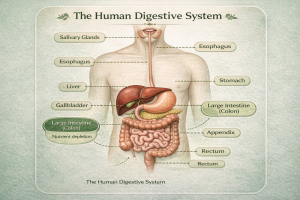
Your Digestive System

Over 70% of the immune system resides in the gut. The microbiome regulates inflammation, neurotransmitter production, nutrient absorption, and hormone recycling.


Nutrition Strategies for Gut Functionality

  • Fiber Diversity: leafy greens, cruciferous vegetables, flax seeds
  • Fermented Foods: kefir, yogurt, sauerkraut, kimchi
  • Polyphenols: berries, green tea, olive oil
  • Omega-3 fats: wild-caught fish

A healthy gut improves methylation, reduces inflammation, and stabilizes blood sugar.


Methylation: Why It Matters for Energy, Detox & Hormones

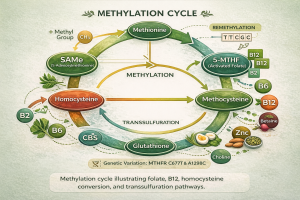
How Methylation of Nutrition Works
How the Methylation cycle works

Methylation is a biochemical process essential for:

  • DNA repair
  • Detoxification
  • Neurotransmitter production
  • Hormone metabolism
  • Cardiovascular protection

Nutrients That Support Healthy Methylation

  • Folate (leafy greens)
  • Vitamin B12 (clean animal protein)
  • Vitamin B6
  • Choline (eggs)
  • Magnesium
  • Zinc

Food is foundational before supplementation.


Blood Sugar Balance: The Core of Chronic Disease Prevention

Blood sugar instability drives inflammation, hormonal imbalance, and cognitive decline.

Signs of Blood Sugar Dysregulation

  • Energy crashes
  • Sugar cravings
  • Brain fog
  • Irritability between meals
  • Waking between 2–4 AM

Nutrition for Glucose Stability

  • Pair protein + fiber + healthy fat at each meal
  • Avoid refined carbohydrates alone
  • Eat balanced meals consistently
  • Walk after meals

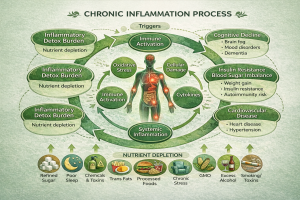
Inflammation: The Silent Driver of Modern Illness

How the Inflammation Processes work.

Chronic inflammation contributes to:

  • Autoimmune disease
  • Cardiovascular disease
  • Diabetes
  • Joint pain
  • Cognitive decline

Anti-Inflammatory Nutrition Includes:

  • Extra virgin olive oil
  • Fatty fish
  • Turmeric & ginger
  • Leafy greens
  • Berries
  • Green tea

Mitochondrial Health & Metabolic Efficiency

Your mitochondria produce cellular energy (ATP). Nutrient deficiencies reduce energy output and increase oxidative stress.

Support Mitochondrial Function With:

  • Magnesium
  • B vitamins
  • Iron (if deficient)
  • CoQ10 (food sources: fatty fish, organ meats)
  • Alpha-lipoic acid

Integrative Daily Nutrition Framework

Morning

  • Protein-rich breakfast (20–30g)
  • Hydration before caffeine
  • Add greens or berries

Midday

  • Vegetable-forward plate
  • Clean protein
  • Healthy fats

Evening

  • Balanced macronutrients
  • Light movement after dinner

Frequently Asked Questions (National Nutrition Month)

What is National Nutrition Month?

An annual March campaign promoting healthy eating habits and lifestyle awareness.

How does nutrition impact gut health?

Diet shapes microbiome diversity, immune regulation, inflammation, and nutrient absorption.

What foods support methylation?

Leafy greens, eggs, legumes, clean proteins, and magnesium-rich foods.


The Integrative Takeaway

Nutrition is not about restriction. It is about cellular communication.

This March, ask:

  • Does this support my gut?
  • Will this stabilize my blood sugar?
  • Does this reduce inflammation?
  • Does this improve metabolic efficiency?

Food is medicine when chosen intentionally.