

Low thyroid function and Polycystic Ovary Syndrome (PCOS) share many common symptoms, including fatigue, weight management issues, irregular periods, and brain fog, to name a few. PCOS and low thyroid function are both hormonal disorders that affect metabolism, reproductive health, mood, and overall wellness. Understanding the relationship between low thyroid levels and PCOS can help women identify potential triggers, seek appropriate care, and create a more effective plan to improve their health.
In this article with SIE Medical, we highlight the relationship between low thyroid levels and PCOS, outlining symptoms, diagnostic processes, and treatment options, and emphasizing the need for a holistic management approach.
Understanding Hormonal Imbalances in Women
Hormonal imbalances occur when hormone levels in the bloodstream are either too high or too low, disrupting key functions such as menstrual cycles, fertility, metabolism, and mood in women. Common causes of these imbalances can include:
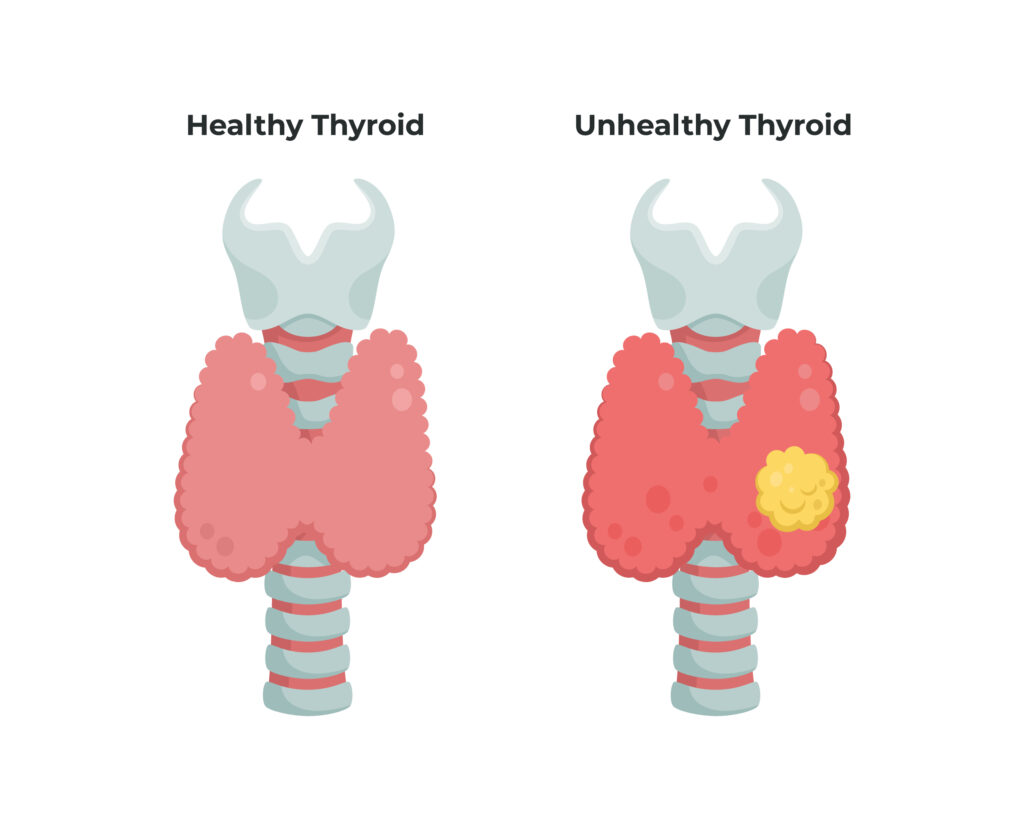
- Hypothyroidism, a condition where the thyroid gland produces too little hormone, can lead to fatigue, weight gain, depression, and reproductive issues.
- PCOS, a hormonal disorder in women of reproductive age, marked by irregular periods, high androgen levels, weight gain, acne, and fertility problems, is often linked to insulin resistance.
- Thyroid hormones regulate metabolism, energy, growth, and reproductive health, making proper thyroid function crucial for overall hormonal balance.
Is There a Connection Between Low Thyroid and PCOS?
Yes, there appears to be a significant relationship between low thyroid and PCOS. Research suggests that women with PCOS may have a higher likelihood of thyroid dysfunction compared to the general population.
The exact connections are still being studied. Both conditions share overlapping hormonal and metabolic pathways. This can make symptoms more severe and difficult to manage without comprehensive care.
Shared Symptoms Between Low Thyroid and PCOS
One reason the connection between low thyroid and PCOS can be confusing is that symptoms are often remarkably similar. Both conditions may contribute to:
- Chronic fatigue
- Weight gain or difficulty losing weight
- Depression or anxiety
- Hair thinning
- Irregular menstrual cycles
- Fertility issues
- Brain fog
- Low motivation
Symptoms can overlap so much that one condition may be diagnosed while another is missed.
How Hormones Influence Both Conditions
Hormones work together in complex ways throughout the body. When one hormone system becomes imbalanced, it can affect several others.
Insulin Resistance – Insulin resistance is extremely common in PCOS and may also influence thyroid function. When insulin levels remain elevated:
- Inflammation may increase
- Hormone balance may worsen
- Weight management becomes more difficult
- Metabolic stress increases
This creates additional strain on the endocrine system.
Inflammation – Chronic inflammation is thought to play a role in both PCOS and thyroid disorders. Inflammation may contribute to:
- Fatigue
- Hormonal disruption
- Weight gain
- Mood changes
- Metabolic dysfunction
Reducing inflammation is often an important part of treatment.
Autoimmune Triggers – Some women with low thyroid function have an autoimmune condition called Hashimoto’s thyroiditis. In some individuals, autoimmune dysfunction may coexist with PCOS, although the exact relationship is still not known. This is one reason comprehensive hormone testing can be important when evaluating symptoms.
Common Triggers for Low Thyroid and PCOS
Lifestyle and health factors may contribute to hormonal dysfunction and worsen symptoms of both conditions.
Chronic Stress – Long-term stress affects cortisol levels, which can disrupt:
- Thyroid function
- Blood sugar balance
- Reproductive hormones
Stress may worsen fatigue, inflammation, and hormonal symptoms over time.
Poor Sleep – Sleep deprivation can negatively affect:
- Insulin sensitivity
- Hormone production
- Energy levels
- Metabolism
Women with PCOS and thyroid disorders often report poor-quality sleep or persistent exhaustion.
Nutritional Deficiencies – Certain nutrient deficiencies may impact hormone production and metabolism. Common deficiencies linked to hormonal dysfunction may include:
- Vitamin D
- Iron
- Magnesium
- Selenium
- B vitamins
Proper nutrition is an important part of supporting endocrine health.
Weight Gain and Metabolic Dysfunction – Excess weight can increase inflammation and hormonal stress, potentially worsening symptoms of both conditions. However, it is important to recognize that hormonal imbalances, rather than lifestyle habits, may be contributing to weight gain.
Why Fatigue Is So Common
One of the most frustrating symptoms associated with low thyroid and PCOS is fatigue. Women may feel:
- Constantly exhausted
- Mentally foggy
- Physically drained
- Unmotivated even after rest
This fatigue can stem from multiple overlapping causes, including:
- Hormonal imbalances
- Insulin resistance
- Sleep disruption
- Inflammation
- Nutrient deficiencies
There are several factors that can contribute to fatigue; a comprehensive evaluation is often necessary.
Accurately Diagnosing Low Thyroid and PCOS
A healthcare provider may recommend testing based on symptoms and medical history. Evaluation may include:
- Thyroid hormone testing
- TSH, T3, and T4 levels
- Thyroid antibody testing
- Hormone panels
- Insulin and blood sugar testing
- Ultrasound imaging for PCOS
A comprehensive approach is important because symptoms often overlap.
Treatment Approaches for Low Thyroid and PCOS
Managing both conditions typically requires addressing hormone balance, metabolism, inflammation, and lifestyle factors together.
- Nutrition and Blood Sugar Support – Balanced nutrition supports insulin sensitivity, energy, hormone regulation, and reduces inflammation. Key strategies include prioritizing protein and fiber, limiting processed sugars, eating regular, balanced meals, and staying hydrated.
- Regular Physical Activity – Exercise boosts metabolic health, mood, energy, and hormonal balance. Moderate activities like walking or strength training are beneficial.
- Stress Reduction – Managing stress is vital for hormonal health. Effective methods include meditation, yoga, counseling, relaxation techniques, and improving sleep habits.
- Personalized Medical Care – Since every woman’s experience is unique, treatment may include thyroid support, hormonal therapy, weight management, lifestyle coaching, and ongoing monitoring. Personalized plans are crucial for lasting success.
The Importance of Long-Term Hormonal Care
Untreated low thyroid function and PCOS can increase risks of type 2 diabetes, heart disease, high blood pressure, fertility issues, and mental health challenges. Early intervention and ongoing care improve long-term outcomes.
Understanding the Bigger Picture
Hormonal disorders often influence each other. A holistic approach that addresses the whole body helps identify root causes and enhance overall wellness. For more on PCOS and hormonal health, visit SIE Medical PCOS Care in Atlanta.
You Don’t Have to Navigate Hormonal Imbalances Alone
Living with low thyroid and PCOS can feel exhausting and overwhelming, especially when symptoms affect your energy, mood, metabolism, and reproductive health. But understanding the connection between these conditions is an important step toward finding answers and improving your well-being.
With proper evaluation, personalized treatment, and long-term support, many women are able to manage symptoms more effectively and regain control of their health. Schedule a consultation with us today and take the next step toward better energy, balance, and overall health.