


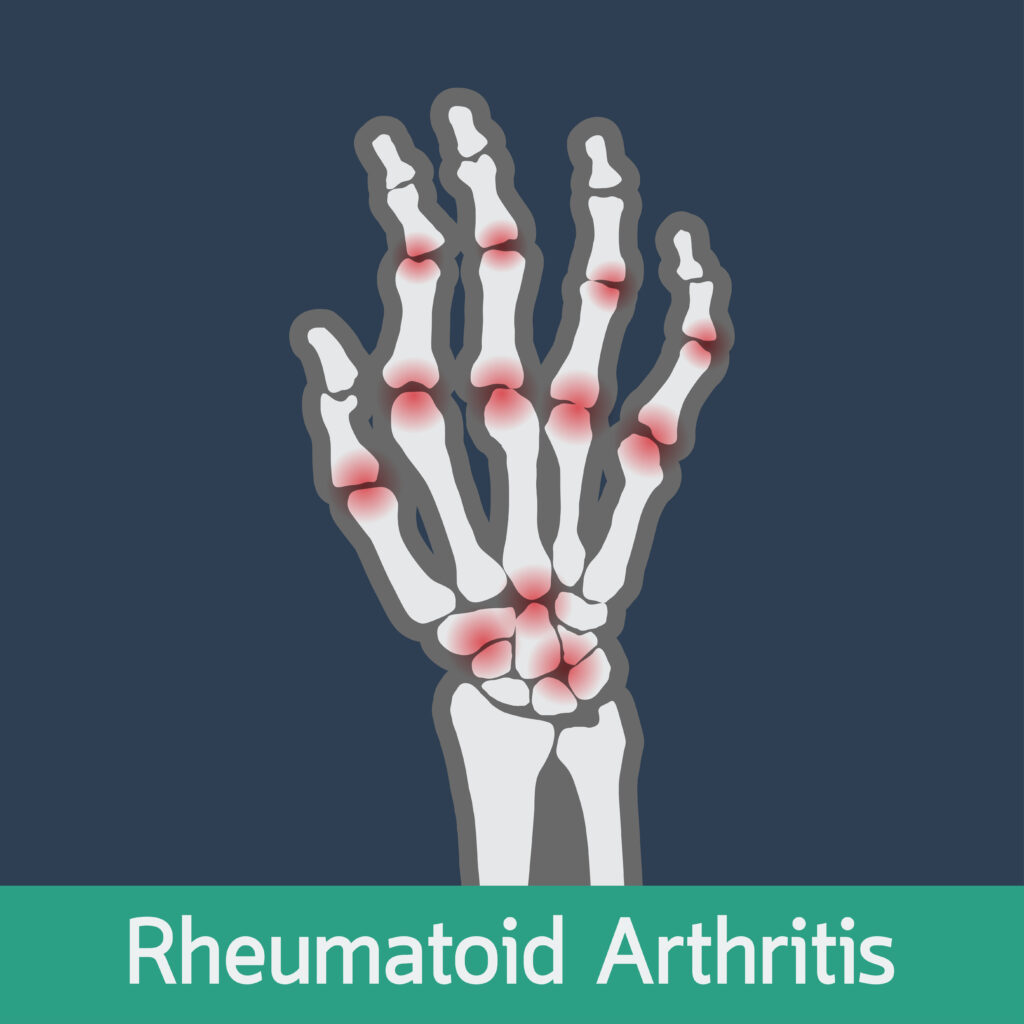
Rheumatoid arthritis is a chronic autoimmune disease that affects millions of people across the United States. For individuals living in Atlanta, finding reliable information and effective treatment options for rheumatoid arthritis is an important step toward managing pain, improving mobility, and maintaining quality of life.
If you are searching for answers about rheumatoid arthritis in Atlanta, you may be wondering about the causes of this condition, common symptoms, available treatments, and how to find the right medical support. Understanding rheumatoid arthritis can help patients make informed decisions about their health and seek care before joint damage becomes severe.
This article, SIE Medical, explores the symptoms, diagnosis, treatment options, and lifestyle strategies for managing rheumatoid arthritis in Atlanta.
What Is Rheumatoid Arthritis?
Rheumatoid arthritis (RA) is a chronic autoimmune disease in which the body’s immune system mistakenly attacks the synovial lining of the joints. Unlike osteoarthritis, which results from simple wear and tear, Rheumatoid arthritis is driven by systemic inflammation that can affect not just your joints but also your heart, lungs, eyes, and skin.
For residents across metro Atlanta, from Buckhead to Decatur to Marietta, RA is one of the most common reasons people seek specialist care. Without proper treatment, it can lead to permanent joint damage, disability, and a significantly reduced quality of life.
The good news: with today’s advanced therapies and a knowledgeable Atlanta rheumatologist in your corner, most people with Rheumatoid arthritis can achieve remission or low disease activity.
Recognizing the Signs: Symptoms of Rheumatoid Arthritis
Rheumatoid arthritis isn’t an acute condition; it develops over a period of time. Many Atlanta patients describe a gradual onset of symptoms that they initially chalk up to overwork, aging, or stress. Knowing what to watch for is critical.
- Morning stiffness lasting more than 30–60 minutes in the hands, wrists, or feet
- Symmetrical joint swelling — both hands or both knees affected at the same time
- Warm, tender, or visibly swollen joints
- Persistent fatigue and low-grade fever
- Gradual loss of range of motion or grip strength
- Rheumatoid nodules — firm lumps under the skin near joints
If you are experiencing several of these symptoms, particularly the characteristic symmetrical joint involvement and prolonged morning stiffness, do not wait. Rheumatoid arthritis care in Atlanta is most effective when started early, ideally within the first three to six months of symptom onset.
What Causes Rheumatoid Arthritis?
The exact cause of rheumatoid arthritis remains unknown, but researchers believe several factors may contribute to its development.
- Genetics – Certain genetic markers may increase the risk of developing RA.
- Immune System Dysfunction – RA occurs when the immune system mistakenly attacks healthy tissues.
- Environmental Factors – Smoking, pollution, and certain infections may increase the likelihood of developing rheumatoid arthritis.
- Hormonal Influences – Women are more likely than men to develop rheumatoid arthritis, suggesting hormones may play a role.
Although there is no cure for rheumatoid arthritis, modern treatment options can help manage symptoms and slow disease progression.
How Rheumatoid Arthritis Is Diagnosed
Diagnosing rheumatoid arthritis often involves a combination of physical examinations, imaging studies, and laboratory tests. A healthcare provider may evaluate:
- Joint swelling and tenderness
- Symptom history
- Range of motion
- Family medical history
Common diagnostic tests include:
- Rheumatoid factor blood tests
- Anti-CCP antibody tests
- X-rays
- MRI scans
- Ultrasound imaging
- Inflammatory marker tests
Early diagnosis is important because prompt treatment can help prevent permanent joint damage.
Atlanta Rheumatoid Arthritis Treatment Options
People searching for Atlanta rheumatoid arthritis treatment have access to a variety of medical specialists and therapies designed to reduce inflammation and improve quality of life.
There are several types of medications commonly used to treat rheumatoid arthritis:
- Nonsteroidal Anti-Inflammatory Drugs (NSAIDs) – These medications help reduce pain and inflammation.
- Corticosteroids – Steroids may help control severe flare-ups quickly.
- Disease-Modifying Antirheumatic Drugs (DMARDs) – DMARDs slow disease progression and reduce immune system activity.
- Biologic Therapies – Biologic medications target specific parts of the immune system involved in inflammation.
- Surgical Options – For advanced joint damage, Atlanta’s orthopedic specialists offer joint replacement and synovectomy procedures.
Treatment plans are typically customized based on the severity of symptoms and the patient’s overall health.
Choosing the Right Atlanta Rheumatologist
Not all joint pain specialists are created equal. When evaluating Atlanta rheumatoid arthritis care, look for a board-certified rheumatologist with specific RA experience, a practice that uses a treat-to-target protocol, access to on-site infusion services for biologic therapies, strong patient communication, same-week appointment availability during flares, and a collaborative approach that includes coordination with your primary care physician.
In high-demand markets like Atlanta, quality practices do have waiting lists. If you are in significant pain, communicate that clearly when you call; most practices prioritize urgent new cases.
[Click here to explore SIE Medical]
Physical Therapy and Rehabilitation
Physical therapy plays a major role in managing rheumatoid arthritis. A trained therapist can help patients:
- Improve joint flexibility
- Increase muscle strength
- Reduce stiffness
- Maintain mobility
- Protect affected joints
Occupational therapy may also help patients adapt daily tasks to reduce joint strain.
Lifestyle Changes That May Help – In addition to medical treatment, healthy lifestyle habits can support rheumatoid arthritis management.
Regular Exercise – Low-impact activities such as swimming, walking, and yoga may help improve flexibility and reduce stiffness.
Anti-Inflammatory Diet – Some people find relief by eating foods rich in:
- Fruits
- Vegetables
- Omega-3 fatty acids
- Whole grains
- Lean proteins
Weight Management – Maintaining a healthy weight reduces stress on joints.
Stress Reduction – Stress may worsen inflammation and flare-ups. Meditation, breathing exercises, and quality sleep may help manage symptoms.
Smoking Cessation – Smoking is strongly linked to worsening rheumatoid arthritis symptoms and complications.
Why Early Treatment Matters
One of the most important aspects of rheumatoid arthritis care is early intervention. Without treatment, RA may cause:
- Permanent joint damage
- Disability
- Chronic pain
- Reduced mobility
- Organ complications
Modern therapies can significantly improve long-term outcomes when treatment begins early. People living in Atlanta who experience persistent joint pain or stiffness should not ignore symptoms. Seeking professional medical care promptly can help protect long-term joint health.
Conclusion: You Don’t Have to Navigate Atlanta Rheumatoid Arthritis Alone
Rheumatoid arthritis is a serious, life-altering condition, but it is also one of the most treatable autoimmune diseases when managed correctly. For Atlanta residents, the combination of a warm climate, a thriving medical community, and rapidly advancing therapies means there has never been a better time to seek help.
The most important step is also the simplest one: make the call. Early intervention prevents the joint damage that is so difficult to reverse later. Whether your symptoms are new and uncertain, or you’ve been struggling for years without adequate relief, an experienced Atlanta rheumatologist can create a personalized treatment plan that puts you back in control of your life. Don’t let RA make your decisions for you. Reach out today.
Ready to See an Atlanta Rheumatoid Arthritis Specialist?
Schedule a consultation with our team that serves patients across the greater Atlanta area. Whether you are newly diagnosed or seeking a second opinion, we are here to help you move forward with less pain and more clarity.