

 A diagnosis of head and neck cancer can affect nearly every aspect of life — from swallowing, speaking, and eating to energy, sleep, emotional wellbeing, and immune resilience. While conventional treatment remains essential, many patients also need comprehensive support for the rest of the body during and after care.
That is where integrative oncology for cancer support can make a meaningful difference.
At SIEM Medical, our approach to cancer support is centered on the whole person. We combine an evidence-informed integrative oncology model with a metabolic approach to cancer support, focusing not only on diagnosis and treatment coordination, but also on terrain, resilience, recovery, and long-term wellness. SIEM describes this model as one that supports patients “through every stage of their cancer journey” with individualized plans built around physiology, diagnosis, and personal goals.
Integrative oncology is a patient-centered, evidence-informed approach that combines conventional cancer treatment with complementary therapies that support the mind, body, and spirit. It is not a replacement for chemotherapy, radiation, surgery, or oncology care. Instead, it works alongside standard treatment to improve quality of life, reduce side effects, and help patients maintain strength and resilience throughout the cancer journey.
For patients with head and neck cancer, this whole-person model matters. Treatment can place stress on immune function, digestion, nutrient status, hormonal balance, stress physiology, and sleep. SIEM’s published framework specifically highlights the importance of proactively addressing these systems to help patients tolerate treatment better and recover more fully.
Head and neck cancers can create unique challenges because they often affect areas central to daily life, including the mouth, throat, voice box, and surrounding tissues. Conventional treatment can be lifesaving, but it may also contribute to fatigue, inflammation, appetite changes, digestive disruption, stress, and reduced quality of life.
From an integrative doctor’s perspective, the question is not only, “How do we target the cancer?” It is also, “How do we support the body through treatment in a way that protects resilience and helps recovery?”
That is why an integrative oncology approach can be so valuable. SIEM’s model emphasizes whole-person medicine, looking at terrain, metabolism, mind-body balance, immune regulation, digestive health, toxic burden, and environmental influences as part of personalized cancer support.
A core part of SIEM Medical’s philosophy is the metabolic approach to cancer support. This model looks at the body’s internal environment and asks what may be influencing health, healing capacity, and long-term resilience.
This includes evaluating factors such as:
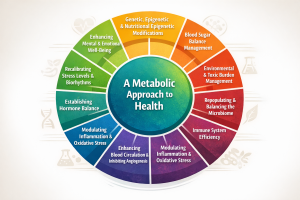 The integrative oncology page also outlines major metabolic pillars that may be addressed in care, including blood sugar regulation, inflammation, oxidative stress, immune efficiency, microbiome health, hormone balance, toxin exposure, and circadian rhythm support.
For head and neck cancer patients, that whole-body lens matters. When the body is under stress, healing can become more difficult. By supporting foundational systems, we aim to create conditions that are more supportive of resilience and less supportive of chronic dysfunction. This approach is individualized, practical, and designed to complement the patient’s oncology plan.
At SIEM Medical, our role is to help support the body throughout the cancer journey with an individualized plan of health. SIEM states that these plans may incorporate coordination with conventional cancer therapies, integrative treatment support protocols, metabolic nutrition strategies, targeted supplementation, botanical medicine, lifestyle medicine, therapeutic detoxification, and mind-body support.
When the body is nutritionally depleted, inflamed, or metabolically dysregulated, treatment can feel even more difficult. Our goal is to support resilience so patients can better navigate conventional care. SIEM specifically identifies improved treatment tolerance as one of the key goals of integrative oncology support.
SIEM’s published materials note that patients often seek integrative support for fatigue, nausea, brain fog, stress, and the broader burden of treatment. Approaches may include nutrition, mind-body medicine, targeted supplementation, acupuncture, massage therapy, IV nutrient therapy, and other supportive therapies selected for safety and compatibility.
Head and neck cancer treatment can interfere with eating and nutrient intake, making digestive and nutritional support especially important. SIEM’s framework places strong emphasis on nutrient status, digestive function, microbiome balance, and immune regulation as foundational parts of integrative support.
Cancer care is never only physical. SIEM includes stress regulation, biorhythm recalibration, and mental-emotional wellbeing among the factors considered in its cancer support model. This whole-person approach recognizes that emotional resilience is part of clinical resilience too.
No two patients are the same, and no two cancer journeys are the same. SIEM repeatedly emphasizes that its care is individualized and based on bio-individuality, metabolic terrain, health history, environment, clinical findings, and patient goals.
That personalized process may include review of:
This kind of root-cause assessment is not about replacing conventional oncology. It is about helping identify what else may be affecting recovery, resilience, and long-term health.
Another strength of SIEM’s model is that it is not limited to one phase of care. The website states that integrative oncology support may be used during prevention and risk reduction, direct treatment support, and maintenance, recovery, and long-term wellness. It also notes that patients can be supported at any stage of the cancer journey.
For head and neck cancer, this may mean support:
SIEM notes that care plans are personalized, but may include therapies such as:
The key is that these therapies are selected carefully, with attention to evidence, safety, and compatibility with the patient’s overall treatment plan.
SIE Medical describes its process as one that starts with understanding the patient’s metabolic terrain, health history, and environment, then creating an individualized plan of health that may include nutraceuticals, nutritional IVs, diet strategies, hormones, hyperbaric oxygen therapy, frequency therapy, and other modalities based on the person’s needs. The stated goal is to support the body, improve resilience, and help reduce recurrence risk while respecting the complexities of modern cancer care.
For patients with head and neck cancer, that means our work is not only about a diagnosis. It is about supporting the whole you.
If you or a loved one is navigating head and neck cancer and looking for a more comprehensive, whole-person approach, SIE Medical offers integrative oncology and metabolic cancer support designed around your unique needs.
Call to explore your options:
Atlanta: 404-236-6234
Austin: 512-883-1700
To learn more about SIE Medical’s approach, visit:
Integrative oncology is a patient-centered approach that combines conventional cancer treatment with evidence-informed complementary therapies to support quality of life, resilience, and the whole person during care.
No. It is designed to work alongside standard cancer treatment, not replace it. SIEM explicitly describes integrative oncology as supportive and collaborative with conventional care.
It may help support treatment tolerance, digestive and nutritional health, immune balance, stress resilience, and overall quality of life during and after treatment. SIEM’s model emphasizes whole-person support for these systems.
It is an approach that looks at the body’s internal terrain, including inflammation, blood sugar balance, immune regulation, microbiome health, detoxification, stress physiology, and other metabolic factors that may influence resilience and recovery.
Yes. SIEM states that every patient receives an individualized plan of health based on their physiology, diagnosis, health history, environment, and goals.
Depending on the patient, care may include metabolic nutrition, IV nutrient therapy, targeted supplementation, botanical medicine, mind-body support, acupuncture, massage therapy, hyperbaric oxygen therapy, and lifestyle medicine.
Yes. SIEM notes that integrative support may continue into recovery, maintenance, and long-term wellness, with attention to rebuilding resilience and supporting long-term health.
Patients may benefit at any stage of the cancer journey, though early support can help establish a stronger foundation before and during treatment. SIEM states that it supports patients across prevention, treatment, recovery, and survivorship.