Discover how integrative oncology supports cancer patients through a holistic, metabolic, and evidence-based approach that enhances treatment outcomes, reduces side effects, and improves quality of life.
As an integrative physician, one of the most important conversations I have with patients is this:
“How do we support your whole-body during cancer treatment—not just target the cancer?”
Integrative oncology is a patient-centered, evidence-informed approach that combines conventional cancer treatments with complementary therapies to support the entire person—mind, body, and spirit.
Rather than replacing chemotherapy, radiation, or surgery, integrative oncology works alongside standard care to enhance outcomes, improve resilience, and reduce treatment-related side effects.
Cancer treatment can place significant stress on the body’s systems, including:
An integrative oncology approach addresses these systems proactively, helping patients tolerate treatment better and recover more fully.
At its core, this model recognizes that healing is not just about eliminating disease—it’s about restoring balance.
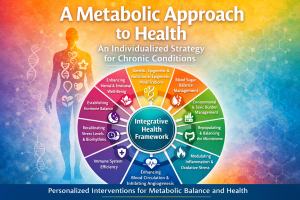
A key pillar of integrative oncology is understanding cancer through a metabolic lens.
This means evaluating and supporting factors such as:
By addressing these foundational systems, we create an internal environment that is less supportive of cancer progression and more supportive of healing.
Patients who incorporate integrative cancer support often experience:
Reducing symptoms like fatigue, nausea, and brain fog allows patients to feel more like themselves during treatment.
Therapies such as nutrition, acupuncture, and mind-body medicine can ease the burden of conventional treatments.
When the body is supported, patients are often better able to stay consistent with their oncology protocols.
Cancer is not just physical—integrative care addresses stress, anxiety, and emotional resilience.
Integrative oncology extends beyond treatment, focusing on recurrence prevention and lifelong wellness.
Each care plan is personalized, but may include:
These therapies are selected carefully to ensure they are safe, evidence-based, and compatible with conventional treatment.
No two cancer journeys are the same.
Integrative oncology emphasizes:
This approach ensures that care is not only comprehensive—but also deeply personal and responsive.
Integrative support can be beneficial at every stage:
A cancer diagnosis can feel overwhelming. But integrative oncology offers something powerful:
A sense of control, clarity, and partnership in your healing journey.
Patients often tell me they feel more supported—not just medically, but emotionally and physically—when they understand how to actively participate in their care.
Integrative oncology is not about choosing between conventional and holistic medicine.
It’s about bringing the best of both together—to support you, fully.
Integrative oncology is a patient-centered approach to cancer care that combines conventional treatments—such as chemotherapy, radiation, and surgery—with evidence-based complementary therapies. Its goal is to support the whole person by improving quality of life, reducing side effects, and enhancing overall treatment outcomes.
Yes, when guided by trained professionals, integrative oncology is designed to be safe and compatible with conventional cancer treatments. Therapies are carefully selected to avoid interference with chemotherapy or radiation while supporting the body’s resilience and recovery.
No. Integrative oncology does not replace standard cancer treatments. Instead, it works alongside them to enhance effectiveness, reduce side effects, and support the body throughout the treatment process.
Common therapies include:
All therapies are personalized and selected based on safety, evidence, and patient needs.
Integrative therapies can help reduce common side effects such as:
By supporting the body’s systems, patients often tolerate treatment better and maintain a higher quality of life.
The metabolic approach focuses on improving the body’s internal environment to make it less supportive of cancer growth. This includes addressing:
Optimizing these systems helps support both treatment outcomes and long-term health.
While research is ongoing, integrative oncology has been shown to improve quality of life, treatment tolerance, and overall health. These factors may contribute to better outcomes when combined with conventional cancer care.
Integrative oncology can benefit:
It is appropriate at all stages of the cancer journey.
Integrative oncology can begin at any stage, but starting early—ideally at diagnosis—allows for the most comprehensive support throughout treatment and recovery.
Care plans are tailored to each patient based on:
This individualized approach ensures therapies are both effective and safe.
Yes. A key goal of integrative oncology is to optimize immune function through nutrition, targeted therapies, stress reduction, and metabolic support—without overstimulating the immune system.
Integrative oncology often includes long-term strategies to reduce recurrence risk by addressing inflammation, metabolic imbalance, toxin exposure, and lifestyle factors. This supports ongoing health and resilience after treatment.
Yes. Integrative oncology uses therapies that are supported by scientific research and clinical experience. Treatments are selected based on safety, effectiveness, and compatibility with conventional care.
Look for a provider trained in integrative or functional medicine with experience in cancer care. It is important that they collaborate with your oncology team to ensure coordinated and safe treatment.