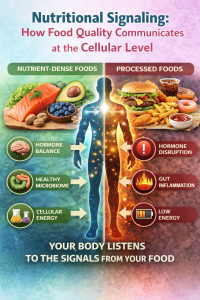
Nutritional Signaling: How Food Quality Communicates with Your Body at the Cellular Level
Nutrition is more than just food, its nutritional signalingFood is not just fuel — it is biological information. From an integrative and functional medicine perspective, every bite sends signals to your hormones, immune system, microbiome, brain, and detox pathways.
We don’t just ask “What are your symptoms?” We ask: What signals is your body receiving every day—through food, water, stress, sleep, and environment?
What Is Nutritional Signaling?
Nutritional signaling describes how nutrients influence gene expression, hormone production, immune activity, and metabolic pathways. Your body doesn’t simply “count calories.” It interprets chemical messages from food.
Each meal can influence insulin, cortisol, thyroid activity, estrogen metabolism, inflammation, microbiome composition, and even mitochondrial energy production. In short: food can promote healing—or promote inflammation.
Food as Information: The Science Behind It
Research in nutrigenomics shows that nutrients can turn certain genes “on” or “off.” That means your daily food choices influence whether your body expresses inflammation-promoting pathways or healing pathways.
Supportive signals
Omega-3 fats can calm inflammatory pathways
Cruciferous vegetables support detoxification
Fiber feeds beneficial gut bacteria
Disruptive signals
Excess sugar can increase inflammatory cytokines
Ultra-processed foods may disrupt gut barrier integrity
Industrial seed oils can promote oxidative stress
How Nutrient-Dense Foods Support Hormone Balance
Hormones are chemical messengers. To make and balance them, your body needs clean building blocks: amino acids (protein), healthy fats, and micronutrients like zinc, magnesium, and B vitamins.
Whole, clean foods support stable insulin, healthy cortisol rhythm, and effective estrogen metabolism—while ultra-processed foods can contribute to insulin resistance, estrogen dominance, and chronic inflammation.
Clinical takeaway
If hormones feel “off,” we often start with two questions: Is blood sugar stable? and Is the gut lining inflamed?
The Gut Microbiome: Where Nutritional Signaling Begins
Your gut microbiome influences immune function, mood chemistry, inflammation control, nutrient absorption, and detoxification. Processed foods can reduce microbial diversity and contribute to intestinal permeability (often called “leaky gut”).
When the gut barrier is compromised, immune activation can rise—often showing up as food sensitivities, autoimmune flares, fatigue, skin issues, or brain fog.
Blood Sugar Stability: A Core Signaling Mechanism
High-glycemic foods (soda, pastries, refined snacks) can create rapid blood sugar spikes followed by crashes—driving cortisol surges, cravings, fatigue, and inflammation.
Easy meal rule for stable energy:
Protein at every meal
Fiber from vegetables
Healthy fat for sustained fuel
Inflammation: The Silent Result of Poor Food Quality
Chronic inflammation is a common root contributor to heart disease, autoimmune disorders, diabetes, cognitive decline, mood disorders, and cancer risk. Food quality either calms inflammatory pathways or activates them.
Anti-inflammatory foods often include leafy greens, cruciferous vegetables, berries, extra virgin olive oil, and omega-3 rich fish.
How to Improve Nutritional Signaling Today
1) Choose clean protein
Prioritize organic/grass-fed proteins and high-quality fish. Avoid processed meats and frequent charring.
2) Build meals on vegetables
Especially cruciferous vegetables to support detox pathways and antioxidant defense.
Many patients benefit from removing gluten, cow dairy, and excess sugar while healing.
SEO / AI search signals:
Primary topics: nutritional signaling, functional medicine nutrition, anti-inflammatory diet, gut health, hormone balance
Ready to Optimize Your Health?
If you’re experiencing fatigue, hormone imbalance, weight resistance, brain fog, or digestive symptoms, nutritional signaling may be the missing piece.
Schedule a Consultation
Tip: link this button to your booking page or contact form.