


How Epigenetics, Nutrition, and Integrative Medicine Shape Your Metabolic Health and Longevity
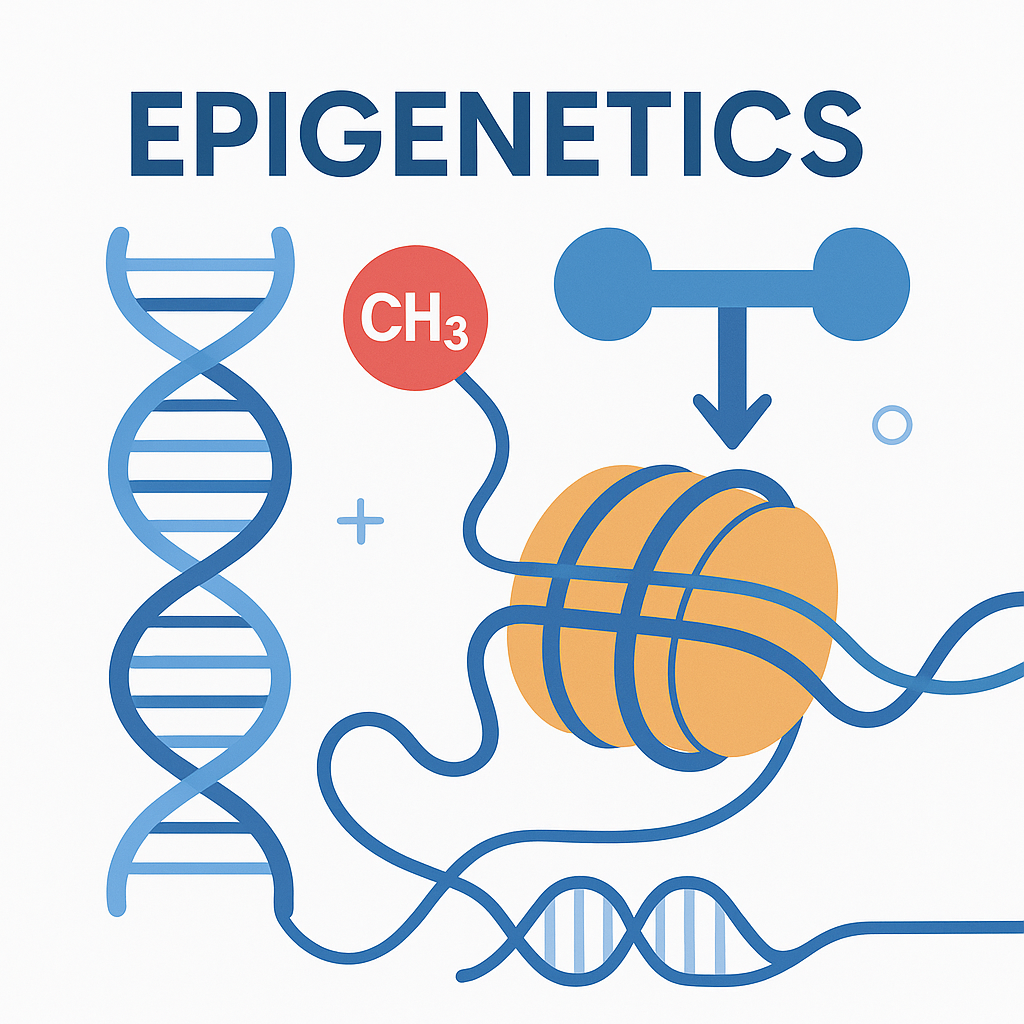
When most people think about their genes, they imagine a fixed blueprint—something inherited, unchangeable, and predetermined. But emerging science tells a very different story. While your DNA provides the basic framework, how your genes behave throughout your life is far more dynamic. In fact, your daily choices—your food, habits, stress levels, sleep, and environment—can influence how your genes function. This powerful concept is known as epigenetics, and it sits at the heart of integrative and naturopathic medicine.
At S.I.E.M., we believe that understanding your genetic expression and learning how to influence it is one of the most effective ways to improve metabolic health, enhance longevity, and prevent chronic disease. Your genes may load the gun—but your lifestyle pulls the trigger. And with the right approach, you can direct your health trajectory in profound ways.
What Is Epigenetics—and Why Does It Matter for Your Health?
Epigenetics refers to changes in gene activity that occur without altering your DNA. These changes are influenced by your internal biochemistry and external environment: nutrition, stress, toxins, sleep patterns, exercise, and even emotional states.
Think of your genes as switches. They can be turned on or off, amplified or quieted. Your diet and lifestyle are among the most powerful tools for influencing these switches.
For those seeking better metabolic health, improved energy, weight balance, hormonal harmony, or longevity support, epigenetics offers a compelling pathway forward. It supports a foundational truth of integrative medicine: your body is designed to heal, adapt, and thrive when given the right conditions.
How Nutritional Epigenetics Impacts Metabolic Health
Nutritional epigenetics is an expanding field that studies how specific nutrients, foods, and plant compounds influence genetic expression. By choosing foods that support beneficial gene pathways—and limit those that promote inflammation or dysfunction—you can directly impact your metabolic well-being.
Here are some of the most researched and impactful epigenetic influencers:
1. Methylation: A Master Regulator of Gene Activity
Methylation is one of your body’s key biochemical processes, affecting detoxification, inflammation, cellular repair, and energy production. Nutrients such as:
-
Folate
-
Vitamin B12
-
Choline
support healthy methylation and help regulate genes tied to metabolic function, brain health, and longevity.
2. Curcumin and EGCG: Plant Compounds with Genetic Influence
Curcumin (from turmeric) and EGCG (from green tea) have shown the ability to modulate genes associated with inflammation, oxidative stress, and metabolic pathways. These compounds help restore balance at the cellular level—making them powerful tools in naturopathic medicine.
3. Intermittent Fasting: Resetting Your Metabolic Clock
Strategic meal timing can positively influence genes responsible for:
-
Cellular repair
-
Insulin sensitivity
-
Mitochondrial function
-
Longevity
Intermittent fasting also activates autophagy, your body’s natural clean-up system that removes damaged cells and promotes metabolic efficiency.
4. Sulforaphane: A Detox and Longevity Super-Nutrient
Found in broccoli sprouts and cruciferous vegetables, sulforaphane activates gene pathways that enhance detoxification, reduce oxidative stress, and support metabolic health. It’s one of the most potent food-based compounds studied for epigenetic influence.
Together, these foods and nutrients form a powerful foundation for metabolic wellness—and reflect the integrative, nature-aligned philosophy at the core of S.I.E.M.’s approach.
How Integrative and Naturopathic Medicine Use Epigenetics for Personalized Care
At S.I.E.M., we combine epigenetic science with advanced metabolic testing, naturopathic therapies, and functional medicine principles to create individualized treatment plans. This approach allows us to move beyond symptom management and identify root causes that may be affecting gene expression, mitochondrial function, hormonal balance, and overall metabolic health.
Our integrative strategy includes:
• Advanced Functional & Epigenetic Testing
We assess how your genes interact with nutrients, toxins, hormones, and lifestyle factors. This reveals your personal metabolic patterns and guides targeted interventions.
• Epigenetically Active Nutrition
We emphasize a nutrient-dense, whole-food diet rich in:
-
Cruciferous vegetables
-
B vitamins
-
Anti-inflammatory botanicals
-
Antioxidants
-
Clean proteins
-
Healthy fats
These foods support optimal gene regulation and metabolic resilience.
• Pharmaceutical-Grade Supplements
When needed, we use scientifically selected supplements to support methylation, reduce inflammation, balance hormones, and enhance detox pathways.
• Lifestyle Optimization
Elements such as intermittent fasting, movement therapy, sleep optimization, and stress reduction are powerful epigenetic tools that amplify metabolic healing.
In this way, integrative and naturopathic medicine work hand-in-hand with your genetics—not by overriding them, but by teaching them how to operate at their best.
Your Genes Tell the Story—But You Hold the Pen
Epigenetics offers hope, clarity, and empowerment. You are not locked into a predetermined fate. Instead, your daily choices become instructions—signals that help shape your health, longevity, and vitality.
At S.I.E.M., we help you understand those signals. Through personalized metabolic strategies, naturopathic support, and advanced genetic insights, we guide you toward a healthier, more vibrant future. Your genes tell part of your story—but with the right tools, you get to write the next chapter.
Ready to explore how integrative, naturopathic, and metabolic medicine can unlock your full genetic potential?
Start your journey today.
Additional Information: https://siemedical.com/health-focus/anti-aging/