


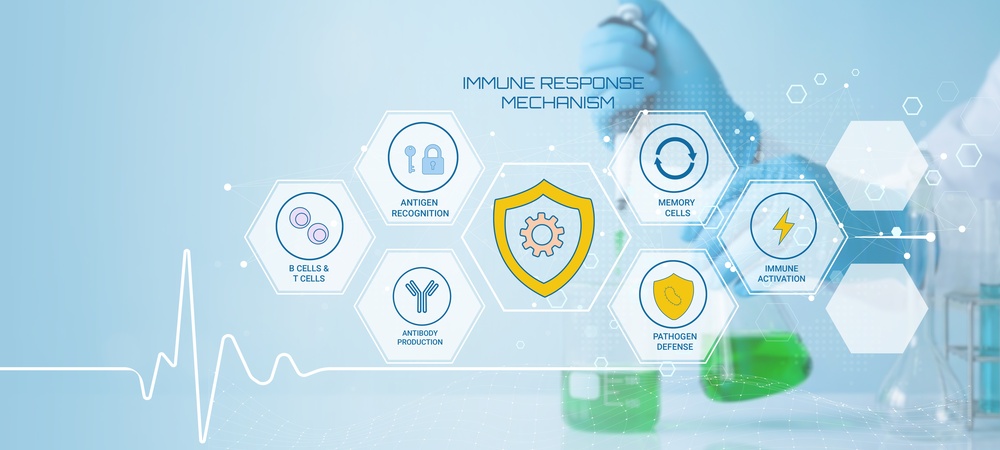
The human immune system is an extraordinary defense network designed to protect the body from harmful pathogens such as bacteria, viruses, fungi, and parasites. One of its most remarkable abilities is its capacity to remember previous infections and respond more effectively when exposed to the same threat again. This process is known as the secondary immune response.
If you have ever wondered, “What is a secondary immune response?” the answer lies in the immune system’s ability to create long-lasting memory after first encountering a pathogen. This immune memory allows the body to react faster, produce more antibodies, and often prevent illness entirely during future exposures.
Understanding secondary immune responses is essential for appreciating how vaccines work, why some infections provide lasting immunity, and how the immune system protects us throughout life.
In this article, SIE Medical will explore the science behind secondary immune responses, how they differ from primary immune responses, and why they are so important for long-term health.
Understanding Secondary Immune Response
What Is a Secondary Immune Response? A secondary immune response occurs when the immune system encounters a previously recognized pathogen. Thanks to memory cells formed during the initial exposure, the body responds faster and stronger, with increased antibody production and efficient pathogen elimination, often neutralizing the threat before symptoms appear. This immune memory is a key feature of adaptive immunity.
Understanding the Immune System –
- Innate Immunity: Provides immediate, non-specific defense without memory (e.g., skin, white blood cells).
- Adaptive Immunity: Develops after exposure, involving B cells, T cells, antibodies, and memory cells that enable the secondary response.
Primary Immune Response and Memory Cell Formation – The first exposure triggers the primary immune response, where the body identifies the pathogen, produces antibodies, and creates memory B and T cells. This process takes time and may allow symptoms to develop. Memory cells persist to recognize and fight future infections quickly.
What Happens During a Secondary Immune Response?
When the body encounters a previously recognized pathogen, memory cells quickly identify it, triggering a rapid immune response. Unlike the primary response, the system acts faster without starting from scratch.
Key Features:
- Rapid Recognition: Memory cells instantly detect familiar antigens.
- Faster Antibody Production: Memory B cells quickly generate large amounts of antibodies to neutralize the pathogen.
- Stronger Defense: The immune response is more powerful, efficiently eliminating pathogens with fewer symptoms.
- Longer Protection: Secondary responses often provide lasting immunity, preventing serious illness upon re-exposure.
Key Differences Between Primary and Secondary Immune Responses
Understanding the distinction between these two immune responses helps explain why immune memory is so valuable.
Primary Immune Response
- Occurs during first exposure
- Slower activation
- Lower antibody production
- Symptoms are more likely
- Creates memory cells
Secondary Immune Response
- Occurs during repeat exposure
- Rapid activation
- Higher antibody production
- Often prevents illness
- Utilizes existing memory cells
The presence of memory cells is what makes secondary responses significantly more effective.
Why Secondary Immune Responses Are Important
Secondary immune responses provide faster protection, often preventing significant harm. They reduce symptom severity, offer long-term immunity, and improve survival by enabling the body to more effectively fight recurring infections. Without this immune memory, each infection would require starting the defense process anew.
How Vaccines Harness Secondary Immune Responses
Vaccines introduce harmless antigens, triggering a primary immune response that creates memory B and T cells without causing disease. This immune memory enables a rapid secondary response when exposed to the real pathogen, often preventing illness or reducing severity. Examples of effective immune memory include measles, chickenpox, hepatitis B, and influenza, demonstrating how vaccines support long-term protection.
Can Secondary Immune Responses Weaken with Age?
As people age, immune function naturally changes. A process called immunosenescence can affect:
- Memory cell production
- Antibody responses
- Overall immune efficiency
Older adults may experience:
- Reduced vaccine effectiveness
- Slower immune responses
- Increased susceptibility to infections
Despite these changes, secondary immune responses remain an important part of immune defense throughout life.
Factors That Support Healthy Immune Memory
Maintaining overall health can help support immune system function.
Important habits include:
- Balanced Nutrition – Nutrient-rich foods provide essential support for immune cells.
- Regular Exercise – Physical activity promotes healthy immune regulation.
- Adequate Sleep – Sleep is critical for immune system recovery and memory formation.
- Stress Management – Chronic stress can negatively affect immune function.
- Preventive Healthcare – Vaccinations and routine medical care help maintain long-term immune protection.
Common Misconceptions About Secondary Immune Responses
Here are some common misconceptions about secondary immune responses:
Immunity Does Not Always Mean Permanent Protection – Some pathogens evolve rapidly, requiring updated immune responses.
Reinfection Can Still Occur – Although secondary responses are stronger, some infections can still happen.
Vaccines Do Not Weaken Immunity – Vaccines strengthen immune memory by safely training the immune system to recognize future threats.
Understanding these facts helps clarify how immune protection works.
Conclusion: The Importance of Secondary Immune Responses
A secondary immune response is the body’s enhanced defense against previously encountered pathogens. Memory B and T cells enable faster recognition, rapid antibody production, and more effective cell defense during the first exposure. This process underlies long-term immunity and the success of vaccines. Understanding secondary immune responses highlights the immune system’s vital role in lifelong health protection.
If you have questions about immune health, immune function, or chronic health concerns, our experienced healthcare team is here to help. Contact us today to learn about immune system care, prevention, and personalized wellness strategies for lasting health.