


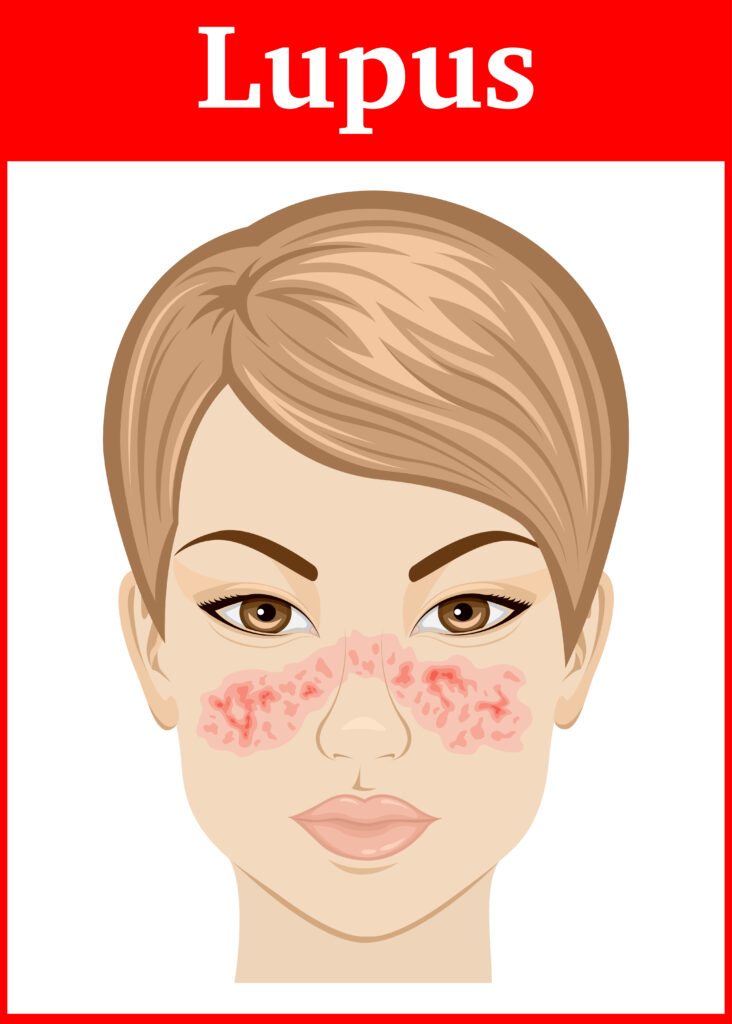
Lupus, also known as systemic lupus erythematosus (SLE), is a chronic autoimmune disorder where the immune system mistakenly attacks the body’s own tissues and organs. It can impact the skin, joints, kidneys, heart, lungs, and brain, making it one of the most complex and varied conditions in medicine. Living with lupus in a bustling city like Atlanta comes with unique challenges as well as exceptional opportunities for quality care, connection, and community support.
The Lupus Atlanta Page was created to bridge the gap between clinical information and personal experience. Whether you are newly diagnosed, a long-term survivor, a caregiver, or a healthcare professional seeking local resources, this page serves as your comprehensive starting point.
- 1.5 million Americans live with lupus
- The female-to-male diagnosis ratio is 9:1
- Women of color experience a 70% higher prevalence
What Is Lupus? An Overview of the Disease and Its Key Symptoms
Lupus, formally known as systemic lupus erythematosus (SLE), is a chronic autoimmune disease. In autoimmune conditions, the immune system mistakenly attacks healthy tissues and organs instead of protecting the body from infections. Because lupus can affect multiple body systems, symptoms vary significantly from person to person.
Some individuals experience mild symptoms, while others may develop serious complications involving the kidneys, heart, lungs, brain, or other organs. The unpredictable nature of lupus is one reason why comprehensive, ongoing medical care is so important.
Common lupus symptoms include:
- Persistent fatigue
- Joint pain and stiffness
- Muscle aches
- Swollen joints
- Skin rashes
- Sensitivity to sunlight
- Hair loss
- Mouth ulcers
- Headaches
- Brain fog
- Fever without infection
- Chest pain
- Shortness of breath
One of the most recognizable symptoms is the butterfly-shaped rash that appears across the cheeks and bridge of the nose. However, not everyone with lupus develops this rash.
Understanding Lupus: Diagnosis Challenges, Flare Management, and Types of the Disease
Why Lupus Is Difficult to Diagnose
Lupus diagnosis is challenging because symptoms develop gradually and affect multiple systems. Many patients wait months or years before diagnosis. Physicians rely on medical history, physical exams, blood tests, autoimmune markers, urinalysis, and imaging. No single test confirms lupus; diagnosis is based on a combination of symptoms and clinical findings.
Understanding Lupus Flares
Lupus symptoms cycle between flares and remission. During flares, symptoms worsen, including fatigue, joint pain, skin rashes, fever, swelling, and inflammation. Common triggers are stress, illness, sun exposure, hormonal changes, lack of sleep, and certain medications. Identifying personal triggers helps manage the condition.
Types of Lupus
- Systemic Lupus Erythematosus (SLE): Most common and serious, affecting multiple organs.
- Cutaneous Lupus: Affects the skin, causing rashes or lesions.
- Drug-Induced Lupus: Triggered by certain medications, usually reversible after stopping them.
- Neonatal Lupus: Rare, affecting newborns through maternal antibody transfer during pregnancy.
Potential Complications of Lupus
Because lupus can affect many organs, complications may occur if inflammation remains uncontrolled. Potential complications include:
- Kidney Disease – Lupus nephritis can damage the kidneys and may require specific treatment
- Cardiovascular Disease – Patients with lupus may have an increased risk of heart disease, stroke, and blood vessel inflammation.
- Lung Problems – Inflammation can affect lung tissue and the lining around the lungs.
- Neurological Symptoms – Some individuals experience memory problems, headaches, mood changes, or seizures.
- Osteoporosis – Chronic inflammation and certain medications may contribute to bone loss over time.
Regular monitoring helps identify potential complications early.
Managing Lupus Through Personalized Care
Every lupus patient has a unique experience. Because symptoms and disease activity vary significantly, treatment plans should be individualized. Effective lupus management often involves:
- Ongoing monitoring
- Medication adjustments
- Lifestyle modifications
- Preventive screenings
- Nutritional support
- Stress management
A personalized approach allows healthcare providers to address changing symptoms and evolving health needs.
Lifestyle Strategies That Support Lupus Management
Medical treatment is important, but lifestyle habits also play a major role in symptom control.
Prioritize Rest – Fatigue is one of the most common lupus symptoms. Adequate sleep and rest are essential.
Manage Stress – Stress may contribute to symptom flares. Techniques such as mindfulness, meditation, and counseling may help support emotional wellness.
Stay Physically Active – Appropriate exercise can help maintain:
- Joint mobility
- Muscle strength
- Cardiovascular health
- Mental well-being
Activity plans should be tailored to individual energy levels and limitations.
Eat a Balanced Diet – While there is no single lupus diet, healthy nutrition may help support:
- Immune function
- Heart health
- Weight management
- Overall wellness
Protect Against Sun Exposure – Many lupus patients are sensitive to ultraviolet light. Protective measures include:
- Sunscreen
- Protective clothing
- Limiting direct sun exposure
Why Early Intervention Matters
Prompt diagnosis and treatment can help reduce inflammation, minimize complications, and improve quality of life. Early intervention may help:
- Protect organs
- Reduce flare frequency
- Improve symptom control
- Support long-term health outcomes
Patients who actively participate in their care often experience better overall management of their condition.
Choosing the Right Lupus Provider in Atlanta
Because lupus is a complex autoimmune disease, finding a healthcare provider who listens carefully and develops individualized treatment plans is critical.
The right medical team should:
- Take symptoms seriously
- Provide comprehensive evaluations
- Coordinate care when needed
- Offer ongoing support
- Monitor for complications
- Focus on long-term wellness
Strong patient-provider communication is especially important when managing a condition that can change over time.
Living Well with Lupus
Although lupus is a lifelong condition, many individuals successfully manage symptoms and lead active, fulfilling lives. The keys often include:
- Consistent medical care
- Early treatment of flares
- Healthy lifestyle habits
- Stress management
- Strong support systems
With proper care, many patients achieve better symptom control and improved quality of life.
Conclusion: Personalized Lupus Care for Better Health
Lupus is a complex autoimmune disease that varies greatly between individuals, requiring early diagnosis and tailored treatment to manage symptoms and protect long-term health. If you are seeking comprehensive lupus care in Atlanta, partnering with knowledgeable healthcare providers can enhance your journey.
Our compassionate team offers personalized care plans to address your unique needs. Contact us today to schedule a consultation and take charge of your health with expert lupus management.