

Causes, Conditions, and Integrative Treatment Options
Leaky gut, clinically referred to as increased intestinal permeability, occurs when the lining of the small intestine becomes compromised. This allows substances such as toxins, microbes, and partially digested food particles to pass into the bloodstream—triggering immune activation and systemic inflammation.
At SIE Medical, we view gut health as foundational to whole-body health, influencing digestion, immunity, metabolism, hormone balance, and brain function.
What Is Leaky Gut?
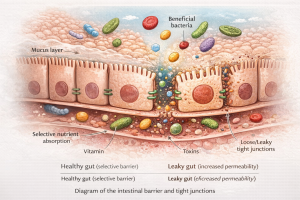
We know that the intestinal lining is made up of a single layer of cells connected by structures known as tight junctions. These junctions act as a selective gate—allowing nutrients to pass through while keeping harmful substances out.
When this barrier becomes inflamed or damaged, the tight junctions loosen. This results in increased intestinal permeability, often referred to as leaky gut.
According to SIE Medical’s integrative model, this disruption can contribute to both digestive symptoms and systemic health concerns, especially when combined with chronic stress, inflammation, or microbiome imbalance.
Common Symptoms of Leaky Gut
Symptoms vary from person to person and may evolve over time. We commonly hear reported symptoms from our patients include:
-
Bloating, gas, or abdominal discomfort
-
Constipation, diarrhea, or alternating stool patterns
-
Food sensitivities or adverse food reactions
-
Fatigue or low energy
-
Brain fog or difficulty concentrating
-
Joint pain or muscle stiffness
-
Skin conditions such as eczema, rashes, or acne
-
Mood changes, including anxiety or low mood
Because these symptoms overlap with many conditions, an integrative evaluation is essential.
Conditions Commonly Associated with Leaky Gut
Increased intestinal permeability has been studied and observed in association with several chronic and inflammatory conditions. While it may not be the sole cause, it is often a contributing factor.
These conditions may include:
-
Irritable bowel syndrome (IBS)
-
Autoimmune conditions (such as Hashimoto’s thyroiditis or rheumatoid arthritis)
-
Chronic fatigue and inflammatory syndromes
-
Skin disorders (eczema, psoriasis)
-
Metabolic dysfunction and insulin resistance
-
Hormonal imbalance
-
Mood and cognitive disorders linked to inflammation
At SIE Medical, we assess how gut barrier dysfunction may be influencing immune activation, nutrient absorption, and inflammation patterns throughout the body.
🔗→ Autoimmune Support
🔗→ Hormone Optimization
What Causes Leaky Gut? What are the key drivers?
1. Chronic Inflammation
Inflammation—whether from diet, stress, infections, or environmental exposures—can damage the intestinal lining over time.
2. Poor Diet & Food Triggers
Highly processed foods, excessive sugar, alcohol, gluten sensitivity, and food additives may contribute to gut barrier dysfunction in susceptible individuals.
🔗 → Nutrition & Lifestyle Medicine
3. Gut Microbiome Imbalance
An imbalance of beneficial and harmful gut bacteria can impair the integrity of the gut lining and disrupt immune signaling.
SIE Medical frequently evaluates microbiome patterns as part of a comprehensive gut health strategy.
4. Chronic Stress & Nervous System Dysregulation
The gut and brain are deeply connected. Chronic stress alters digestion, immune responses, and gut permeability via the gut-brain axis.
5. Medications & Environmental Exposures
Certain medications (such as NSAIDs or antibiotics), toxins, and environmental chemicals may contribute to intestinal inflammation and barrier disruption.
Important: Medications should never be stopped without medical supervision.
How SIE Medical Evaluates Leaky Gut
Rather than treating leaky gut as a standalone diagnosis, SIE Medical uses a root-cause, systems-based approach, which may include:
-
Comprehensive health history and symptom mapping
-
Advanced stool and microbiome testing
-
Intestinal permeability and inflammation markers
-
Nutrient and metabolic assessments
-
Lifestyle, stress, and sleep evaluation
🔗→ Integrative Medicine Approach
Integrative Treatment Approach for Leaky Gut
Treatment plans are individualized and may include:
-
Personalized anti-inflammatory nutrition plans
-
Gut-supportive nutrients and targeted supplementation
-
Microbiome restoration strategies
-
Stress regulation and nervous system support
-
Lifestyle modifications for long-term healing
The goal is not just symptom relief—but restoring gut integrity, immune balance, and metabolic health.