


Rheumatoid arthritis is a chronic autoimmune condition that can affect far more than the joints.
Many people notice that flare-ups are tied to stress, sleep, hormones, gut health, and diet, which is why food becomes such an important part of an integrative care plan.
While there is no single diet that cures rheumatoid arthritis, reducing inflammatory triggers can help many people feel better and support a more stable immune response.
How Food Can Contribute to Inflammation
Food can influence inflammation through several pathways, including blood sugar regulation, gut barrier health, immune signaling, and the balance of fats in the diet.
Highly processed foods, for example, tend to be low in fiber and high in refined carbohydrates, added sugars, industrial oils, and additives that may affect the microbiome and promote inflammatory signaling.
When blood sugar rises and falls repeatedly, the body may also experience more oxidative stress, which can add to an inflammatory load over time.
Some people with autoimmune conditions are also sensitive to food proteins, emulsifiers, or other compounds that may irritate the gut lining or change the way the immune system responds.
A gut barrier that is under stress can make it harder for the immune system to stay balanced, especially in people already prone to autoimmune activity.
This does not mean every person with rheumatoid arthritis reacts to the same foods, but it does explain why diet can matter so much when managing symptoms.
10 Foods That May Lead to Inflammation and Trigger Rheumatoid Arthritis Symptoms
Not every food on this list will affect every person the same way.
Still, these are common categories that many people with rheumatoid arthritis consider limiting, especially during a structured elimination or symptom-tracking phase.
The purpose is to identify your personal triggers while supporting overall immune and gut health.
- Sugary Drinks
- Refined Carbohydrates
- Fried Foods
- Processed Meats
- Ultra-Processed Snack Foods
- Vegetable Oils High in Omega-6 Fats
- Alcohol
- Gluten-Containing Grains
- Dairy
- Artificial Sweeteners and Food Additives
Sugary Drinks
Soda, sweetened coffee drinks, energy drinks, and other beverages high in added sugar can quickly raise blood glucose and insulin.
That spike may increase inflammatory stress and leave some people feeling more tired and achy afterward.
Because liquid sugar is absorbed rapidly, these drinks can be especially disruptive for people trying to reduce inflammation.
Refined Carbohydrates
White bread, pastries, crackers, and many baked snacks are made from refined flour with very little fiber.
Without fiber to slow digestion, these foods can create blood sugar swings that may contribute to inflammation.
In people with autoimmune conditions, frequent spikes and crashes can also make energy and appetite harder to manage.
Fried Foods
Deep-fried foods often contain oxidized fats and can be cooked in oils that are repeatedly heated, which may increase inflammatory compounds.
Fast food fries, fried chicken, and similar items are also usually high in sodium and low in nutrients.
For someone with rheumatoid arthritis, that combination may make it harder to maintain stable symptom control.
Processed Meats
Bacon, sausage, hot dogs, deli meats, and other processed meats are often preserved with additives and are usually high in saturated fat and sodium.
These foods may be more inflammatory than fresh, minimally processed protein sources for some people.
They can also be harder on overall cardiovascular health, which matters because rheumatoid arthritis is linked to higher long-term heart risk.
Ultra-Processed Snack Foods
Chips, packaged snack cakes, candy, and many boxed convenience foods often contain refined starches, added sugars, preservatives, and industrial seed oils.
These foods can be easy to overeat because they are engineered to be highly palatable.
They may also crowd out more nutrient-dense foods that support immune balance and tissue repair.
Vegetable Oils High in Omega-6 Fats
Some highly processed seed oils, such as corn oil, soybean oil, and cottonseed oil, are commonly used in packaged foods and restaurant cooking.
In excess, these oils may contribute to an imbalance between omega-6 and omega-3 fats, which can influence inflammatory pathways.
The issue is not that all fats are bad, but that the overall pattern of fat intake can matter.
Alcohol
Alcohol can irritate the gut lining, disrupt sleep, and place extra stress on the liver, which all matter when inflammation is already active.
For some people, even moderate alcohol intake seems to worsen joint pain or fatigue.
Because alcohol can also interfere with medications, it is especially important to discuss use with a clinician familiar with rheumatoid arthritis care.
Gluten-Containing Grains
Gluten is not a universal trigger, but some people with autoimmune conditions report improvement when they reduce or remove gluten-containing foods such as wheat, barley, and rye.
In sensitive individuals, gluten may contribute to gut irritation or immune activation.
A supervised trial can help determine whether gluten is a meaningful trigger for your symptoms.
Dairy
Dairy is another food group that may be well tolerated by some people and problematic for others.
Certain individuals report more congestion, digestive upset, or joint discomfort after consuming milk, cheese, or ice cream.
Because responses vary, dairy is often best evaluated through a structured elimination and reintroduction process rather than assumptions.
Artificial Sweeteners and Food Additives
Artificial sweeteners, colorings, preservatives, and emulsifiers are common in diet products and packaged foods.
Research on these ingredients is still evolving, but some people notice that highly engineered foods seem to worsen bloating, cravings, or inflammatory symptoms.
If you are trying to calm autoimmune activity, simplifying ingredient lists can be a helpful starting point.
What to Eat Instead
Eliminating foods is only one part of the equation.
A better plan usually includes anti-inflammatory foods that support blood sugar balance, gut health, and immune regulation.
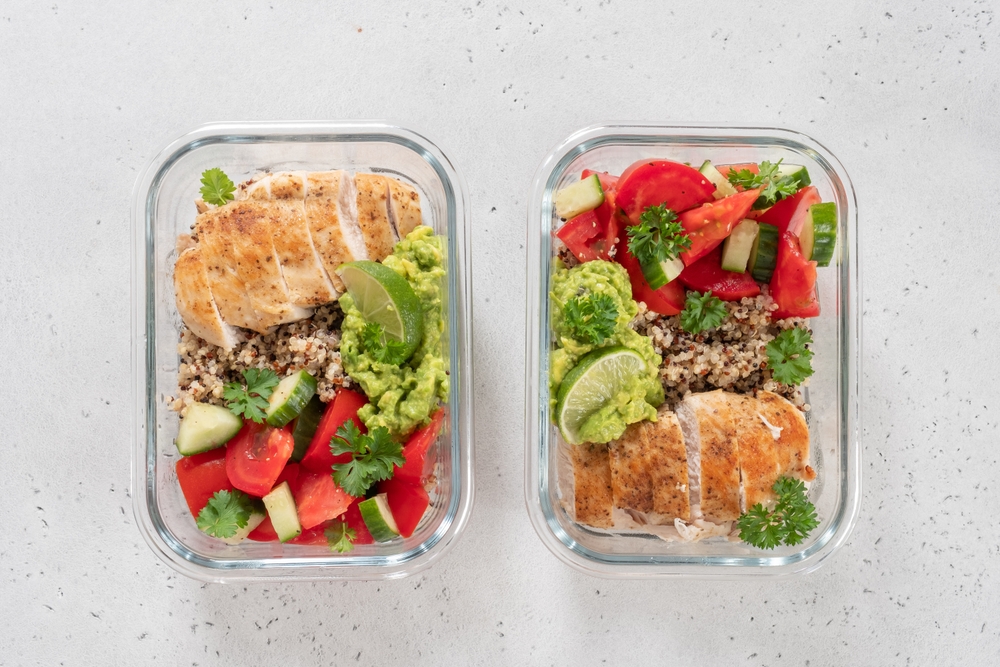
The best choices will vary by person, but many people do well with vegetables, fruits, olive oil, avocados, nuts, seeds, high-quality proteins, and omega-3 rich fish.
It is also important to make sure the diet is sustainable.
Restrictive eating can become stressful, and stress itself can worsen autoimmune symptoms.
A personalized approach should support nourishment, not create a cycle of deprivation and rebound.
Why Personalized Care Matters
At SIE Medical, our arthritis and autoimmune protocols are designed to look deeper than surface-level advice.
We focus on personalized strategies that may include dietary guidance, functional testing, and a whole-person view of inflammation so you can better understand what is driving your symptoms.
If you are ready for a more individualized plan, we can help you explore the next step with clarity and support.
autoimmune protocols Connect with us today.