


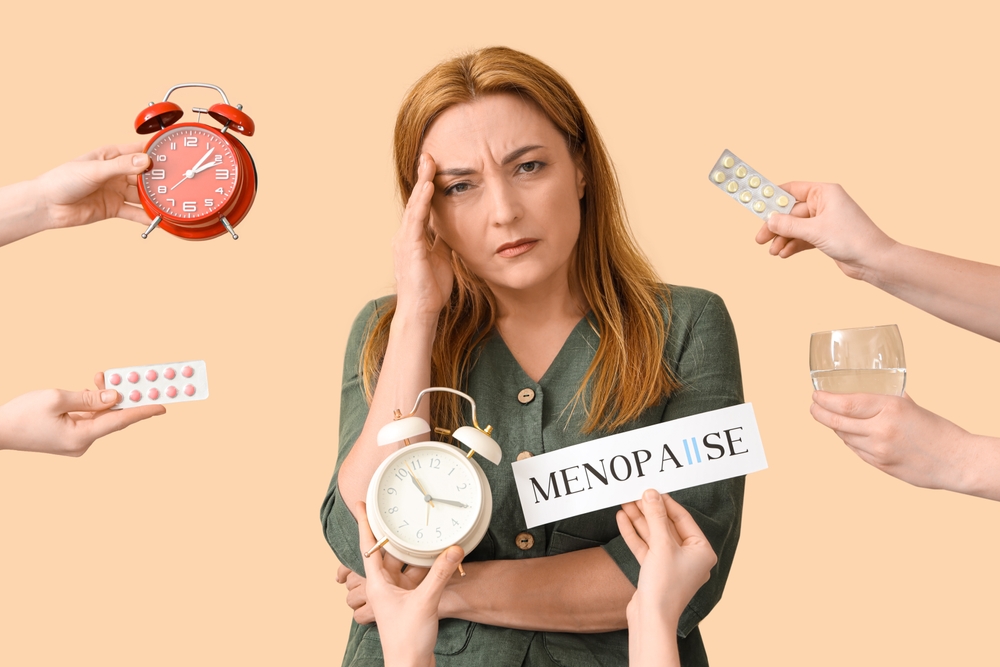
Many women wonder if it is truly possible to balance their hormones after menopause. While menopause marks the end of natural reproductive cycles, it does not mean your hormones stop mattering. In fact, hormone balance remains essential for energy, mood, metabolism, and long-term health. At SIE Medical in Atlanta, we take a personalized and integrative approach to helping women understand how to balance hormones after menopause.
Can You Balance Hormones After Menopause
The short answer is yes, you can balance hormones after menopause. However, instead of restoring cyclical patterns, the goal becomes optimizing stable, healthy levels of key hormones such as estrogen, progesterone, and testosterone.
After menopause, the body produces lower levels of these hormones, but that does not mean an imbalance cannot occur. Many women experience symptoms like fatigue, brain fog, weight changes, poor sleep, and mood fluctuations. These are often signs that the body would benefit from support.
Learning how to balance hormones after menopause starts with understanding that your body still needs hormonal harmony to function at its best.
Why Hormone Balance Still Matters
Even after menopause, hormones influence nearly every system in the body. Estrogen supports bone density, cardiovascular health, and skin elasticity. Progesterone helps calm the nervous system and supports sleep. Testosterone contributes to energy, strength, and motivation.
When these hormones are out of balance, it can affect your quality of life. This is why many women seek ways to balance hormones after menopause, not just for symptom relief but for long-term wellness.
At SIE Medical, we focus on helping patients feel strong, clear, and energized at every stage of life.
Signs Your Hormones May Need Support
If you are trying to balance your hormones after menopause, it helps to recognize common signs of imbalance. Persistent fatigue, even after rest, is one of the most common indicators. You may also notice changes in mood, such as increased anxiety or irritability.
Sleep disturbances are another key sign. Difficulty falling asleep or staying asleep can be linked to hormonal shifts. Weight gain, especially around the midsection, and a slower metabolism are also common concerns.
Cognitive changes, including brain fog or memory lapses, can also occur. These symptoms are not something you have to accept as inevitable. They are signals that your body may need support to balance hormones after menopause.
Hormone Therapy as a Supportive Option
One of the most effective ways to balance hormones after menopause is through hormone therapy. At SIE Medical, we often use bioidentical hormone therapy, which is designed to match the structure of hormones naturally produced by the body.
This approach allows for more precise and personalized treatment. Hormone therapy can help improve energy levels, support sleep, enhance mood, and promote overall vitality.
However, not every woman requires the same approach. That is why we begin with comprehensive testing to understand your unique hormone profile before creating a plan to balance hormones after menopause.
The Role of Nutrition in Hormone Balance
Nutrition is a foundational element of maintaining healthy hormone levels after menopause. The foods you eat directly impact your body’s ability to regulate hormones and maintain stable energy.
A diet rich in whole foods, healthy fats, and lean proteins can support hormone production and metabolism. Foods such as leafy greens, nuts, seeds, and fatty fish provide essential nutrients that help the body function optimally.
Reducing processed foods and excess sugar can also make a significant difference. Blood sugar imbalances can contribute to hormonal disruption, so maintaining steady energy through balanced meals is key.
At SIE Medical, we guide patients in building a sustainable nutrition plan that supports their goals to balance hormones after menopause.
Lifestyle Factors That Make a Difference
Lifestyle habits play a powerful role in your ability to balance hormones after menopause. Regular physical activity helps regulate hormones, improve mood, and support bone health. Strength training, in particular, can be beneficial for maintaining muscle mass and metabolic function.
Sleep is another critical factor. Quality sleep allows the body to repair and regulate hormone levels. Creating a consistent sleep routine and prioritizing rest can significantly impact how you feel.
Stress management is equally important. Chronic stress can disrupt hormonal balance and make symptoms worse. Practices such as mindfulness, deep breathing, and time outdoors can help support a more balanced system.
A Personalized Integrative Approach
There is no single solution that works for everyone when it comes to balancing hormones. At SIE Medical, we take an integrative approach that combines advanced testing, personalized treatment, and ongoing support.
We look at the full picture of your health, including hormones, nutrition, lifestyle, and underlying factors that may be contributing to imbalance. This allows us to create a plan that is tailored specifically to you.
If you are ready to explore how to balance hormones after menopause with expert guidance, learn more here: https://siemedical.com/atlanta/menopause
Feel Your Best After Menopause
Menopause is not the end of feeling vibrant and energized. With the right support, it can be a time of renewal and strength.
Learning how to balance hormones after menopause gives you the tools to take control of your health and improve your quality of life. At SIE Medical in Atlanta, we are here to help you navigate this journey with confidence and clarity.
Your next chapter can feel just as strong, balanced, and full of life as any before it.
Call us at 404-236-6234 to learn how we can help you take your first step toward better health.