


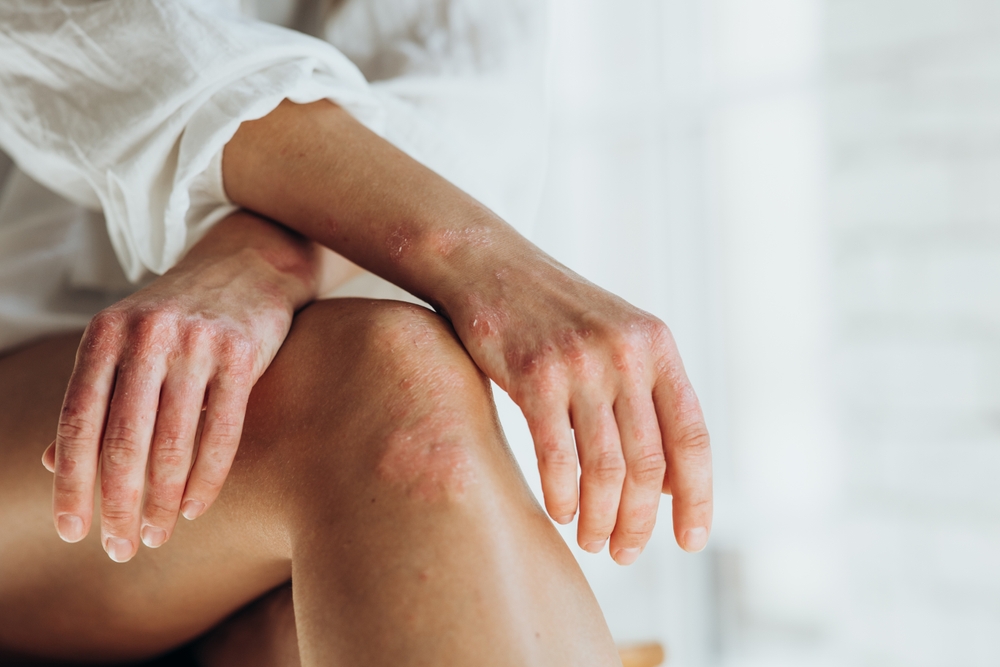
Many women notice changes in their skin as they age. One of the most common is dry skin during menopause. Skin that once felt hydrated and balanced can suddenly feel tight, flaky, or more sensitive than usual. At SIE Medical in Atlanta, we help women understand the root causes of these changes and how to support skin health from the inside out.
Why Dry Skin Happens During Menopause
Dry skin during menopause is primarily driven by hormonal shifts, especially the decline in estrogen. Estrogen plays a critical role in maintaining skin hydration, elasticity, and thickness. As estrogen levels decrease, the skin produces less natural oil, also known as sebum.
This reduction in oil production leads to moisture loss and a weakened skin barrier. As a result, dry skin during menopause becomes more noticeable and persistent. The skin may also become thinner and more prone to irritation.
In addition to estrogen, other hormonal changes can affect collagen production. Collagen is responsible for keeping skin firm and smooth. As levels decline, skin may appear drier, less plump, and more prone to fine lines.
How Dry Skin Feels During Menopause
Dry skin during menopause is not just about appearance. It often comes with physical discomfort. Many women describe a feeling of tightness, especially after washing their face or showering. Flakiness and rough texture may develop, particularly in the cheeks, arms, and legs.
Sensitivity is another common symptom. Products that were once well tolerated may suddenly irritate. Redness and itching can also occur, making dry skin during menopause feel even more frustrating.
These changes can affect confidence as well. Skin is closely tied to how we present ourselves, and noticeable changes can feel discouraging without the right support.
Other Factors That Contribute to Extremely Dry Skin During Menopause
While hormones are the primary driver, several other factors can worsen dry skin during menopause. Environmental factors such as cold weather, low humidity, and excessive sun exposure can strip the skin of moisture.
Lifestyle habits also play a role. Dehydration, poor nutrition, and high stress levels can all impact skin health. Harsh skincare products or over-cleansing can further disrupt the skin barrier.
At SIE Medical, we take all of these factors into account when addressing dry skin during menopause. A comprehensive approach ensures that every contributing element is considered.
How to Improve Dry Skin During Menopause
Addressing extremely dry skin during menopause requires both internal and external support. One of the most effective strategies is focusing on hydration from within. Drinking enough water and consuming foods rich in healthy fats can help support the skin’s natural moisture levels.
Nutrition is a key part of improving dry skin during menopause. Foods rich in omega-3, such as salmon, walnuts, and flaxseeds, can help maintain skin hydration. Antioxidant-rich fruits and vegetables support skin repair and protect against environmental damage.
Topical care is also important. Using gentle, hydrating cleansers and moisturizers can help restore the skin barrier. Look for products with ingredients like hyaluronic acid, ceramides, and natural oils.
Avoiding harsh ingredients and over-exfoliation can prevent further dryness. Creating a simple and consistent skincare routine is often more effective than using multiple products.
The Role of Hormone Balance
Since hormones are a primary cause of dry skin during menopause, addressing hormonal balance can make a significant difference. At SIE Medical, we often incorporate bioidentical hormone therapy as part of a personalized treatment plan.
By supporting estrogen levels, it is possible to improve skin hydration, elasticity, and overall appearance. This approach goes beyond surface-level treatments and addresses the root cause of dry skin during menopause.
Our team evaluates your hormone levels through advanced testing and creates a tailored plan based on your unique needs. This integrative approach helps restore balance from the inside out.
Supporting Skin Through Lifestyle
Lifestyle habits are another important piece of the puzzle when managing dry skin during menopause. Prioritizing sleep allows the body to repair and regenerate, which directly impacts skin health.
Managing stress is equally important. Chronic stress can disrupt hormone balance and contribute to inflammation, which may worsen dryness. Practices such as yoga, meditation, and time outdoors can support overall well-being.
Regular movement and circulation also help deliver nutrients to the skin, supporting a healthier and more vibrant appearance.
Why Work with SIE Medical in Atlanta
If you are struggling with dry skin during menopause, having a personalized plan can make all the difference. At SIE Medical in Atlanta, we combine advanced diagnostics with integrative care to address the root causes of your symptoms.
We understand that dry skin during menopause is not just a cosmetic issue. It is a reflection of bigger changes in the body. By supporting hormone balance, nutrition, and lifestyle, we help our patients achieve lasting improvements.
Take the Next Step Today
Dry skin during menopause does not have to be something you simply accept. With the right approach, it is possible to restore hydration, improve skin health, and feel confident again.
If you are ready to address dry skin during menopause at the root level, learn more about our menopause care here: https://siemedical.com/atlanta/menopause
At SIE Medical in Atlanta, we are here to support you through every stage of this transition with personalized, integrative care designed to help you feel your best inside and out.
Call us at 404-236-6234 to learn how we can help you take your first step toward better health.