


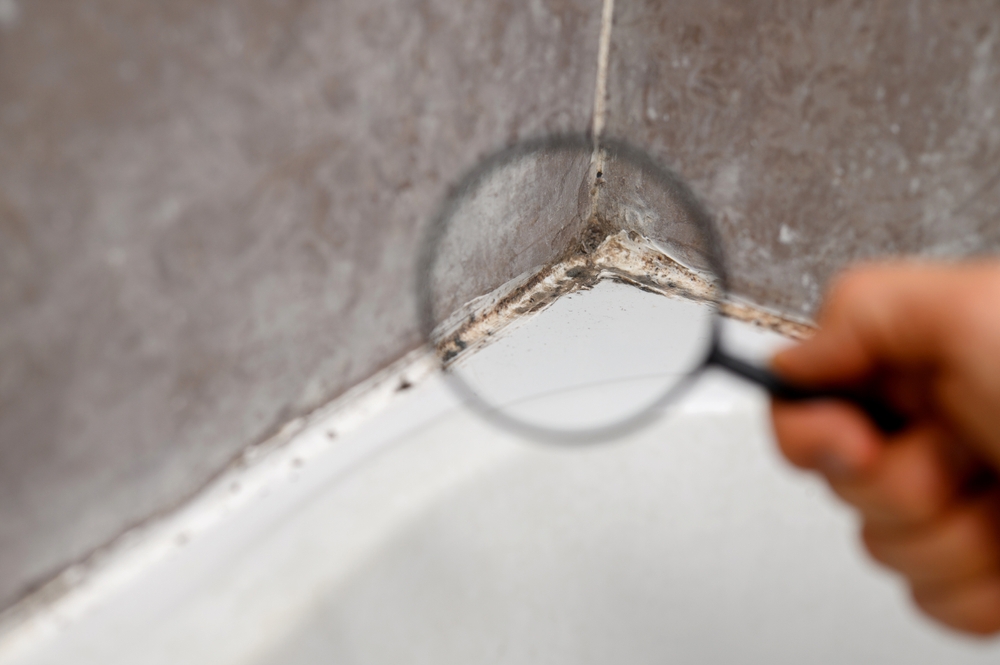
Many homeowners are alarmed when they notice a pink or reddish film forming in their bathroom. Pink residue along grout lines, shower curtains, or drains often leads people to worry about mold exposure. While commonly called pink mold in the shower, this growth is not always a true mold. Understanding what pink mold in the shower actually is, how to remove it, and what health considerations matter most can help you protect both your home and your wellbeing.
At SIE Medical, we frequently address environmental exposures as part of functional medicine care. Bathroom mold and bacteria are common concerns, especially in warm and humid climates.
What Pink Mold in Shower Really Is
Despite its name, pink mold in the shower is usually not a mold at all. In most cases, it is a bacteria called Serratia marcescens. This microorganism thrives in moist environments and feeds on soap residue, shampoo, and body oils.
Pink mold in the shower typically appears as a slimy pink, coral, or reddish film. It often develops on shower walls, grout, caulk, drains, and toilet bowls. Because bathrooms provide warmth, moisture, and organic material, they create an ideal environment for this bacterial growth.
While pink mold in the shower is different from black mold, it still deserves attention, especially for individuals with compromised immune systems or chronic health conditions.
Why Pink Mold in Shower Keeps Coming Back
Pink mold in the shower is persistent because bathrooms naturally create the conditions it needs to survive. High humidity, poor ventilation, and infrequent cleaning allow bacteria to multiply quickly.
Common contributors include leaving damp shower curtains closed, inadequate exhaust fan use, standing water in soap dishes, and residue buildup from personal care products. Even clean bathrooms can develop pink mold in the shower if moisture is not properly controlled.
Because this bacteria forms a biofilm, it can be difficult to remove completely without consistent cleaning and prevention strategies.
How to Remove Pink Mold in Shower Safely
Removing pink mold in the shower requires a combination of physical cleaning and proper disinfecting. The goal is to break down the biofilm and eliminate the bacteria feeding on residue.
Start by scrubbing affected areas with a stiff brush or sponge using warm water and a household cleaner. Many people use diluted vinegar or hydrogen peroxide as alternatives to harsh chemicals. Bleach can remove discoloration but may not fully eliminate biofilm if not used correctly.
After cleaning, thoroughly rinse and dry the area. Leaving surfaces wet allows pink mold in the shower to return quickly. Wash or replace shower curtains and liners regularly, and do not overlook drains and caulk lines where bacteria often hide.
Consistency matters more than intensity when dealing with pink mold in the shower.
How to Prevent Pink Mold in Shower
Prevention is the most effective way to control pink mold in the shower long term. Moisture control is key.
Always use a bathroom exhaust fan during and after showers. Leave it running for at least 20 minutes to reduce humidity. Open shower curtains or doors after bathing to allow surfaces to dry completely.
Wipe down shower walls, fixtures, and doors regularly, especially in areas prone to buildup. Avoid leaving soap bars or bottles sitting in pooled water. Consider switching to liquid soap dispensers that drain more effectively.
Reducing clutter and improving airflow can significantly limit the conditions that allow pink mold in the shower to thrive.
Health Considerations of Pink Mold in Shower
For most healthy individuals, pink mold in the shower is more of a nuisance than a serious health threat. However, certain populations may be more sensitive.
People with weakened immune systems, chronic lung conditions, or open wounds may experience infections if exposed to Serratia marcescens. In rare cases, this bacteria has been associated with urinary tract infections, respiratory issues, or wound infections in clinical settings.
Functional medicine focuses on reducing total toxic burden. Even low level environmental exposures can contribute to inflammation, immune stress, or symptom flares in sensitive individuals. Addressing pink mold in the shower is part of creating a healthier home environment.
If you experience persistent respiratory symptoms, skin irritation, or unexplained inflammation, environmental factors like bathroom bacteria should be considered as part of a comprehensive health evaluation.
Pink Mold in Shower Versus True Mold
It is important to distinguish pink mold in the shower from true fungal molds such as black mold. Black mold often appears dark green or black and may grow deeper into porous materials. It can release mycotoxins that affect indoor air quality.
Pink mold in the shower stays primarily on surfaces and feeds on residue rather than structural materials. While it does not typically release airborne toxins, it can still indicate excess moisture that could allow more harmful mold growth if left unaddressed.
Keeping bathrooms clean and dry helps prevent both bacterial growth and true mold colonization.
A Functional Medicine Perspective on Environmental Health
At SIE Medical, we recognize that environmental exposures play a significant role in overall health. Mold, bacteria, and household toxins can contribute to chronic symptoms, especially when combined with stress, poor sleep, or nutrient deficiencies.
If you are addressing pink mold in the shower and still experiencing unexplained symptoms, functional medicine can help identify underlying contributors and support your body’s detoxification and immune systems.
Learn more about our functional medicine approach at
siemedical.com/austin/functional-medicine
Experience Health Intervention in Atlanta and Austin
Pink mold in the shower is common, persistent, and often misunderstood. While it is usually bacterial rather than fungal, it should not be ignored. Proper cleaning, moisture control, and ventilation are essential to prevent recurrence.
From a health perspective, maintaining a clean bathroom environment is part of reducing overall exposure burden. Addressing pink mold in the shower is a simple but important step toward creating a healthier living space and supporting long term wellness.
If you are concerned about environmental factors affecting your health, SIE Medical is here to help guide you with a personalized, functional medicine approach.
We provide premiere functional medicine services for people in Austin and Atlanta. Give our offices a call today and see what difference we can make:
404-963-9773 (Atlanta)
512-788-9941 (Austin)