


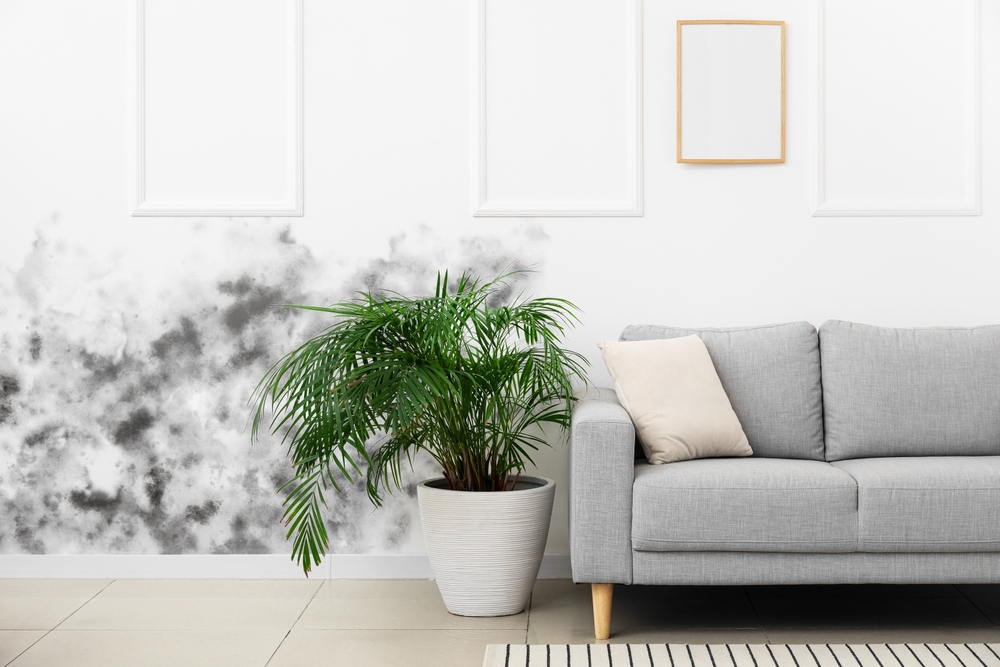
Many people use the terms mold and mildew interchangeably when discussing indoor air quality. While both are types of fungi that thrive in moist environments, they are distinct in appearance, growth patterns, and their potential effects on your health. If you’re noticing fuzzy spots on your walls or bathroom tiles, or if you’re concerned about symptoms like persistent coughing or headaches, understanding mold versus mildew can be an important first step toward protecting your health.
Mold Versus Mildew: The Basics
In the ongoing comparison of mold versus mildew, the key difference lies in their physical characteristics and where they grow:
- Mildew typically appears as a flat, powdery, or downy growth. It’s often white, gray, or yellow and tends to grow on the surface of materials like shower walls, windowsills, or paper products.
- Mold, on the other hand, tends to penetrate deeper into materials. It often has a fuzzy or slimy texture and can be green, black, brown, or other dark colors.
While both thrive in damp conditions, mildew usually indicates an early or less invasive stage of fungal growth, whereas mold can signal a more serious problem that can damage building materials and contribute to health concerns.
Where Mold and Mildew Grow
In the context of mold versus mildew, knowing where each tends to grow can help you identify and address these fungi in your home or workplace.
Mildew
- Bathrooms and showers
- Window sills and door frames with poor ventilation
- Paper or cardboard that has been exposed to moisture
- Laundry rooms or damp closets
Mold
- Behind walls or drywall, where moisture is trapped
- Underneath carpets
- In air ducts and HVAC systems
- Around leaks or flooding damage
Because mold can grow beneath the surface of materials, it often goes unnoticed until symptoms appear or structural damage occurs.
Mold Versus Mildew: Signs to Look For
Understanding the visual signs of mold and mildew can help you take early action. Here’s what to watch for:
Mildew
- Powdery or downy texture
- Light colors (white, gray, yellow)
- Grows in flat patches
- Often easier to clean with standard cleaners
Mold
- Fuzzy or slimy texture
- Dark or vibrant colors (green, black, brown)
- Can penetrate deeply into materials
- Often requires professional remediation
If you are unsure whether the growth in your home is mold or mildew, the safest course is to treat it as a potential mold issue, especially if it persists after cleaning.
Health Impacts: Mold Versus Mildew
An important concern when discussing mold versus mildew is their impact on health. While both can trigger reactions, mold poses a greater risk.
Mildew and Health
Mildew can cause:
- Minor irritation to the eyes and skin
- Sneezing or mild respiratory discomfort in sensitive individuals
For most people, mildew in small amounts is more of an aesthetic issue than a serious health concern. It is generally easier to clean and less likely to trigger significant health effects, but it still warrants attention, especially in environments with frequent moisture.
Mold and Health
Mold, especially in large or hidden quantities, can cause more significant health issues:
- Allergic reactions, including sneezing, a runny nose, and itchy eyes
- Asthma exacerbations and difficulty breathing
- Chronic cough or respiratory discomfort
- Headaches, fatigue, or trouble concentrating in sensitive individuals
- Potential immune system stimulation that can lead to longer-term issues in susceptible people
Some molds, particularly black mold (Stachybotrys chartarum), are associated with more severe symptoms, especially in children, older adults, and individuals with respiratory conditions or compromised immune systems.
What to Do If You Suspect Mold Exposure
If you suspect that mold (not just mildew) is affecting your indoor environment, taking the right steps for your health is crucial.
1. Inspect and Address Moisture Sources
Stop the growth of fungi by eliminating excess moisture:
- Fix leaks in roofs, walls, or plumbing
- Use dehumidifiers in damp spaces
- Improve ventilation in bathrooms and kitchens
2. Clean Small Areas Carefully
For small patches of mildew or mold:
- Use appropriate cleaners and protective gear (gloves, mask)
- Be cautious not to spread spores during cleaning
3. Consider Professional Remediation
For larger infestations, or if mold returns after cleaning, professional removal may be necessary. Hidden mold in walls can require more extensive intervention.
4. Evaluate Your Health
If you experience symptoms such as persistent coughing, wheezing, headaches, or unusual fatigue and suspect it’s related to mold exposure, it’s important to get evaluated.
At SIE Medical, we specialize in environmental medicine and toxicology. Our practitioners can help assess whether your symptoms are related to environmental exposures like mold and guide you toward effective treatment.
To learn more about how environmental exposures can affect your health or to schedule an evaluation, visit our Austin office page: siemedical.com/austin/mold-environmental-toxic-doctor.
Mold Versus Mildew: Prevention and Peace of Mind
Understanding mold versus mildew is more than just knowing the difference in appearance: it’s about recognizing how these fungi can affect your indoor air quality and your health. Mildew might be easier to handle and less threatening, but mold can pose a more serious concern that warrants professional attention.
Whether you’re dealing with persistent dampness, unexplained symptoms, or recurring fungal growth in your space, SIE Medical is here to help with expert guidance grounded in environmental and toxicological expertise.
Protect your health by knowing the difference between mold and mildew and take action before small issues become big problems.
We provide premier functional medicine services for people in Austin and Atlanta. Give our offices a call today and see what difference we can make:
404-963-9773 (Atlanta)
512-788-9941 (Austin)