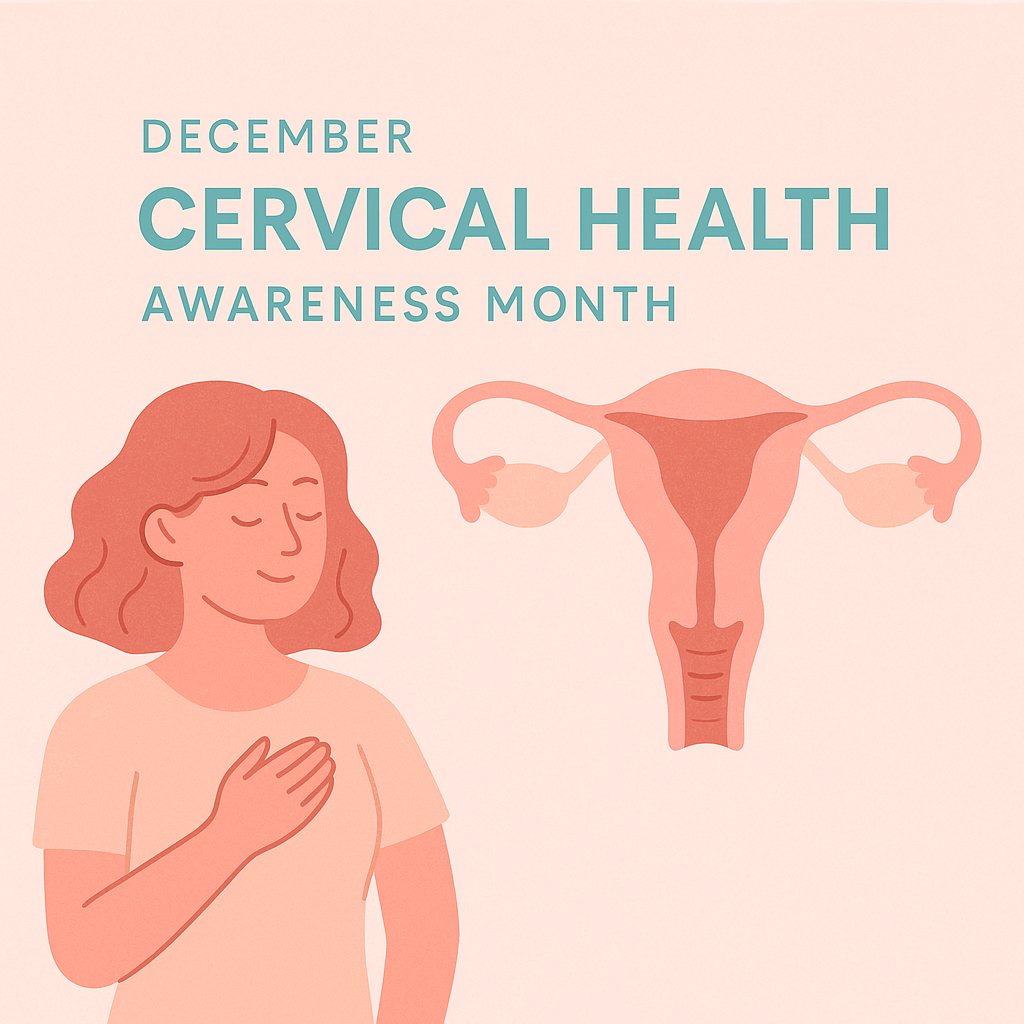
Cervical Health Awareness Month: An Integrative Doctor’s Guide to Lifelong Cervical Wellness
Each December, Cervical Health Awareness Month serves as a vital reminder that cervical wellness is not only about routine screenings—it is about caring for the body as an interconnected whole. As an integrative physician, I approach cervical health through a wide lens that includes biological, nutritional, environmental, and lifestyle factors. The goal isn’t just to detect disease early but to cultivate conditions where the cervix—and the entire reproductive system—can thrive.
Cervical cancer is largely preventable. Persistent high-risk HPV infections, chronic inflammation, hormonal imbalance, nutrient deficiencies, and lifestyle stressors can all influence cervical cellular health. Fortunately, a combination of appropriate medical testing, nutrition, integrative therapies, and sustainable lifestyle habits can dramatically reduce risk.
In this comprehensive guide, we’ll explore the anatomy of the cervix, HPV prevention, evidence-based testing methods, nutrition for cervical cell integrity, herbal and micronutrient support, and lifestyle choices that promote optimal gynecologic health.
Understanding the Cervix: A Gateway to Reproductive Health
The cervix is the lower portion of the uterus that connects to the vaginal canal. Its primary roles include:
- Acting as a barrier against harmful pathogens
- Allowing menstrual blood to exit the uterus each month
- Producing cervical mucus, which plays a key role in fertility
- Dilating during childbirth
- Serving as an early detection point for precancerous and cancerous cellular changes
Because the cervix undergoes constant cell turnover and hormonal influences, it is sensitive to inflammation, oxidative stress, and viral infections—particularly human papillomavirus (HPV).
HPV and Cervical Cancer: What an Integrative Lens Adds
The majority of cervical cancers worldwide are caused by persistent infection with high-risk HPV strains. But HPV exposure is extremely common—most sexually active individuals will encounter it at least once.
From an integrative standpoint, exposure is not the same as disease. The body routinely clears HPV when:
- The immune system is supported
- Nutrient levels are sufficient
- The vaginal microbiome is balanced
- Chronic inflammation is low
Persistent HPV infections, on the other hand, often arise when underlying imbalances go unaddressed. This is where integrative care can be profoundly protective.
Essential Screenings & Diagnostic Testing
1. Pap Smear (Cytology)
A Pap smear detects abnormal cervical cells. It remains one of the most effective early-detection tools for cervical dysplasia.
Integrative perspective:
Women with borderline results (ASC-US, LSIL) often benefit greatly from targeted nutritional, herbal, and microbiome therapies that support cell repair and immune resilience.
2. HPV DNA Testing
This test identifies whether high-risk HPV strains are present.
When used with Pap testing, HPV testing provides a clearer picture of risk and helps determine appropriate follow-up intervals.
3. Colposcopy & Biopsy
If either Pap or HPV results are concerning, a colposcopy allows for detailed visualization of the cervix and sampling of suspicious areas.
4. Vaginal Microbiome Testing
Emerging research shows that cervical and vaginal health are strongly linked to the Lactobacillus-dominant microbiome.
Low vaginal lactobacilli may correlate with:
- Increased inflammation
- Reduced HPV clearance
- Greater risk of cervical dysplasia
Microbiome testing can guide probiotic and lifestyle therapy.
5. Nutrient Level Testing
Nutrients crucial for cervical cellular integrity and HPV clearance include:
- Vitamin A
- Vitamin C
- Vitamin E
- Folate
- B-complex vitamins
- Zinc
- Selenium
- Omega-3 fatty acids
Testing helps personalize supplementation and correct deficiencies.
6. Immune Health & Inflammation Panels
Markers like hs-CRP, vitamin D levels, thyroid panel, and fasting insulin can reveal systemic issues that may impair viral clearance or increase oxidative stress.
Lifestyle Medicine for Cervical Wellness
Lifestyle factors often have the most profound and long-lasting effects on cervical health. Here are evidence-based, integrative strategies:
1. Quit Smoking (and Avoid Secondhand Smoke)
Smoking is one of the strongest lifestyle-related risk factors for persistent HPV and cervical dysplasia. Chemicals in cigarettes damage cervical DNA and weaken immune defenses.
Integrative support can include:
- Nutrient repletion (especially vitamin C and antioxidants)
- Acupuncture for cravings
- Botanical support like lobelia or adaptogens
2. Stress Reduction & Hormone Balance
Chronic stress suppresses immune function and interferes with estrogen/progesterone harmony. Both processes influence cervical cellular turnover.
Supportive practices include:
- Mindfulness meditation
- Breathwork
- Moderate physical activity
- Adaptogenic herbs like ashwagandha, holy basil, or rhodiola
3. Sleep Hygiene
A minimum of 7–9 hours of restorative sleep is essential for immune regulation, cellular repair, and hormone regulation—all key to cervical health.
4. Sexual Health Practices
- Use barrier protection to reduce HPV exposure
- Limit the number of sexual partners
- Ensure adequate lubrication to prevent micro-tears
- Maintain open communication with partners about sexual health
5. Exercise & Lymphatic Support
Movement improves circulation, supports detoxification, and enhances immune function.
Recommended practices:
- Brisk walking
- Movement
- Strength training
- Rebounding or jumping exercises for lymphatic flow
Dietary Foundations for Cervical Health
Food plays a central role in immune function, inflammation regulation, and cellular repair. An integrative, nutrient-dense diet is one of the most reliable ways to support the cervix.
1. Antioxidant-Rich Fruits & Vegetables
Why they matter:
Antioxidants neutralize free radicals that can damage cervical cells. Colorful produce is especially protective.
Include:
- Dark leafy greens
- Berries
- Sweet potatoes
- Carrots
- Bell peppers
- Beets
- Red cabbage
Aim for 8–10 servings of vegetables and fruits daily, prioritizing variety.
2. Anti-Inflammatory Omega-3 Foods
Omega-3s help maintain proper cell membrane function and decrease chronic inflammation.
Sources:
- Wild-caught salmon
- Sardines
- Walnuts
- Chia seeds
- Flaxseeds
- Hemp seeds
3. Folate-Rich Foods
Folate is essential for DNA repair and healthy cell division—critical in preventing cervical dysplasia.
Top sources:
- Lentils
- Black beans
- Spinach
- Avocado
- Asparagus
- Pasture-raised egg yolks
4. Cruciferous Vegetables for Hormone Detoxification
Broccoli, cauliflower, kale, and Brussels sprouts contain indole-3-carbinol (I3C), which supports estrogen metabolism and may reduce risk of cervical dysplasia.
5. Probiotic & Prebiotic Foods
A balanced microbiome supports HPV clearance and protects the cervix.
Add:
- Goat or Sheep Yogurt or kefir
- Sauerkraut / kimchi
- Miso
- Prebiotic foods (garlic, onions, asparagus, bananas)
6. Reduce Inflammatory Foods
Limit:
- Ultra-processed foods
- Refined sugar
- Alcohol
- Trans fats
- Charred or heavily processed meats
These drive chronic inflammation and oxidative damage.
Integrative Supplements & Herbal Support
Before beginning any supplement regimen, consult an integrative practitioner—especially if you’re pregnant or managing a medical condition. Evidence-supported options include:
1. Vitamin D3
Crucial for immune strength. Low vitamin D levels correlate with persistent HPV infections.
Optimal blood levels: 40–60 ng/mL
2. Vitamin C & Vitamin E
Both vitamins protect cervical cells from oxidative stress and support collagen repair.
3. B-Complex Vitamins
Critical for methylation, hormone balance, and immune function.
4. Indole-3-Carbinol (I3C) or DIM
Helps regulate estrogen metabolism and may support regression of mild cervical dysplasia.
5. Zinc & Selenium
Help the immune system clear viral infections efficiently.
6. Green Tea Extract (EGCG)
Research suggests EGCG may inhibit HPV-related cell changes and support cervical cell normalization.
7. Medicinal Mushrooms
Reishi, turkey tail, and maitake support immune modulation and antiviral function.
8. Vaginal Probiotics
Strains like Lactobacillus crispatus help restore a healthy vaginal microbiome, which plays a key role in HPV clearance and reduction of dysplasia.
Mind-Body Medicine & Cervical Health
The cervix is sensitive not just to physical stresses but to emotional and psychological experiences as well. Trauma, chronic anxiety, and unresolved emotional tension can manifest as pelvic tension, altered hormone rhythms, or immune dysregulation.
Therapies that support cervix-specific relaxation include:
- Pelvic floor physical therapy
- Somatic therapy
- Trauma-informed yoga
- Breathwork focused on pelvic release
- Acupuncture for reproductive organ harmony
These mind-body practices help reduce cortisol load, enhance circulation to pelvic tissues, and support whole-body healing.
A Holistic Cervical Health Plan: Putting It All Together
To cultivate optimal cervical health:
Monthly
- Practice stress-reduction activities
- Maintain consistent nutrition
- Use probiotics as necessary
- Engage in pelvic-friendly movement
Quarterly
- Review supplementation with an integrative practitioner
- Assess lifestyle habits and adjust as needed
Annually
- Complete Pap or HPV screening as recommended
- Evaluate nutrient status
- Reassess microbiome health if needed
Final Thoughts: Empowerment Through Prevention
Cervical health is a lifelong journey that blends science, self-care, and holistic awareness. Every woman deserves access to the tools—medical, nutritional, emotional, and spiritual—that help her maintain a healthy cervix and robust immune system.
During Cervical Health Awareness Month, I encourage you to:
- Schedule your screening
- Reflect on your lifestyle habits
- Honor your body’s wisdom
- Integrate supportive practices that nourish your whole system
With consistent care and a proactive mindset, cervical wellness is not only achievable—it is empowering.