
If you are concerned about vascular dementia, or you have been told you may be at higher genetic risk, waiting for symptoms to worsen is not the best next step. Early support can make a meaningful difference in how well a person functions day to day and how confidently a family can plan for the future. At SIE Medical in Atlanta, patients can receive a second opinion and a whole-body approach to care that looks beyond the brain alone.
Cognitive decline can happen for many reasons, and not all forms of memory loss look the same. Alzheimer’s disease is often associated with gradual memory impairment and protein changes in the brain, while vascular dementia is more closely linked to damaged blood vessels and impaired circulation. Some patients also have mixed dementia, where both vascular and degenerative processes contribute to symptoms.
Because blood flow is central in vascular dementia, symptoms may appear after a stroke, a series of small vascular events, or ongoing cardiovascular strain. People may notice trouble with focus, decision-making, organization, or processing speed before they notice major memory loss. The pattern can be stepwise rather than steadily progressive, which is one reason a careful evaluation matters.
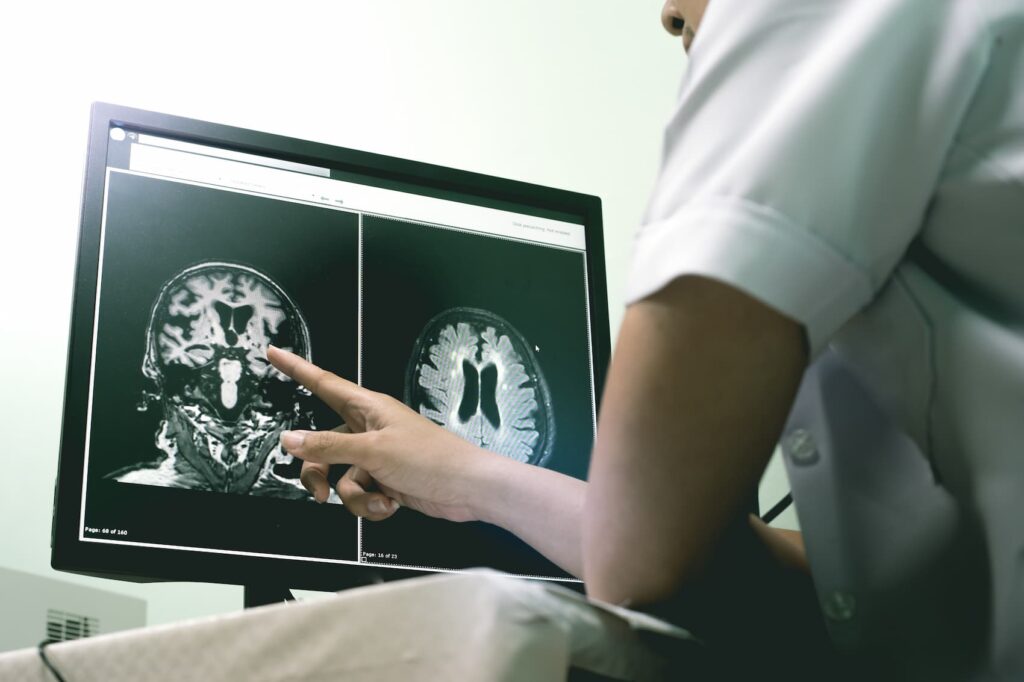

Vascular dementia can be difficult to identify because its symptoms may resemble other neurological or metabolic concerns. Fatigue, depression, sleep problems, thyroid imbalance, medication effects, and nutritional deficiencies can all contribute to brain fog or forgetfulness. That is why a comprehensive assessment is so important before assuming a person is simply “getting older.”
At SIE Medical, the goal is to understand what is driving the change in cognition and which factors may still be modifiable. This may include blood pressure, blood sugar, lipid patterns, inflammation, homocysteine, sleep quality, hormone balance, and other systems that influence brain health. A broader lens can help identify areas where support may improve function and quality of life.
The eventual outcomes of vascular dementia vary from person to person, depending on the extent of vascular injury, overall health, and how early care begins. In many cases, symptoms gradually affect independence, especially in areas that require planning, judgment, balance, and coordination. Some individuals continue to live meaningful lives for years with the right support, while others experience more rapid decline after a major vascular event.
Without appropriate care, vascular dementia can lead to increasing difficulty with daily tasks, higher fall risk, medication management challenges, and greater caregiver burden. Mood changes, irritability, apathy, and confusion may also become more prominent. Over time, the condition can affect mobility, communication, and the ability to remain safely independent.
It is important to be medically responsible here: vascular dementia is generally not considered reversible once established. That said, the right care can still be extremely valuable. The aim is to preserve remaining brain function, reduce further vascular injury when possible, and support the best possible quality of life for as long as possible.


Integrative medicine is especially useful in vascular dementia because the condition is influenced by many body systems at once. Rather than focusing only on symptoms, a whole-system plan looks at the root contributors that may be adding strain to the brain. This approach does not replace neurology or primary care, but it can complement them in a patient-centered way.
At SIE Medical, care may include attention to cardiometabolics, nutrition, hormones, sleep, inflammation, and other factors that affect circulation and cognitive resilience. This matters because the brain depends on stable blood flow, balanced metabolism, and sufficient nutrient support to function well. When these areas are optimized, patients may be better positioned to maintain function and participate more fully in daily life.
An integrative evaluation often considers multiple connected systems, especially when cognition is changing. For patients in Atlanta looking for a second opinion, this can provide clarity and a more personalized roadmap. Common areas of review may include:
Each of these factors can influence how clearly a person thinks and how much reserve the brain has to work with. A thoughtful plan can help identify the most important starting points rather than chasing isolated symptoms. That is one reason integrative vascular dementia care in Atlanta can feel more supportive and more actionable for families.
A diagnosis of vascular dementia can be overwhelming, especially if it is new or uncertain. Families often want to know whether there is anything more that can be done, and whether all contributing factors have been explored. A second opinion can help confirm the diagnosis, clarify the likely drivers, and outline practical next steps.
Dr. Williford does not just look at the brain in isolation; she considers the full picture, including cardiovascular health, metabolic health, hormones, lifestyle, and other elements that influence cognition and vitality. That broader perspective is why many patients turn to SIE Medical when they want an integrative view of vascular dementia care in Atlanta.
For some patients, the most helpful next step is not a dramatic intervention but a more complete understanding of what is happening. For others, it is a plan to coordinate care more effectively with existing providers. Either way, having a clinician who thinks beyond a narrow diagnosis can be reassuring and useful.


Families often feel relieved when the care plan finally feels clear, organized, and realistic. Integrative vascular dementia care in Atlanta is designed to meet patients where they are, not where an ideal textbook case might be. The focus is on supporting the person as a whole and helping the family make informed decisions with confidence.
Depending on the individual, an integrative plan may involve:
These elements are most effective when they are tailored to the person rather than applied as a one-size-fits-all protocol. The aim is to reduce preventable strain on the brain and preserve function for as long as possible. For many families, that kind of plan brings structure during a difficult season.
SIE Medical offers integrative vascular dementia care in Atlanta with a whole-body perspective that goes beyond symptoms alone. Dr. Williford and the team understand that cognition is connected to circulation, metabolism, hormones, nutrition, and more. If you are looking for a second opinion and thoughtful support, now is the time to get started.
“I never understood how the body’s systems worked together, especially with Hormones. This approach has helped me return to normal and Thrive again.”
– S.I.E.Medical Patient